
DTF Transfers in McKinney TX: Commercial Heat Press Production Guide
Finding dependable DTF Transfers in McKinney TX used to mean dealing with sluggish regional shipping speeds or driving deep down into the Dallas metroplex to salvage a tight production schedule. When local apparel creators, screen printers, and home-based garment brands face sharp volume spikes, waiting five business days for custom custom-built film orders paralyzes cash flow.
We see shop operations fall behind because a production run of custom transfers arrived with brittle, under-cured adhesive powder or oil stains across the PET carrier sheets. Direct-to-Film print output requires precision balance across humidity controls, ink viscosity, and specific melting heat profiles. When local creators place an online DTF order McKinney decorators need an execution option that fuses immediately, withstands real-world commercial laundering, and retains sharp vector clarity down to single-pixel details.
Order Now
Featured Products
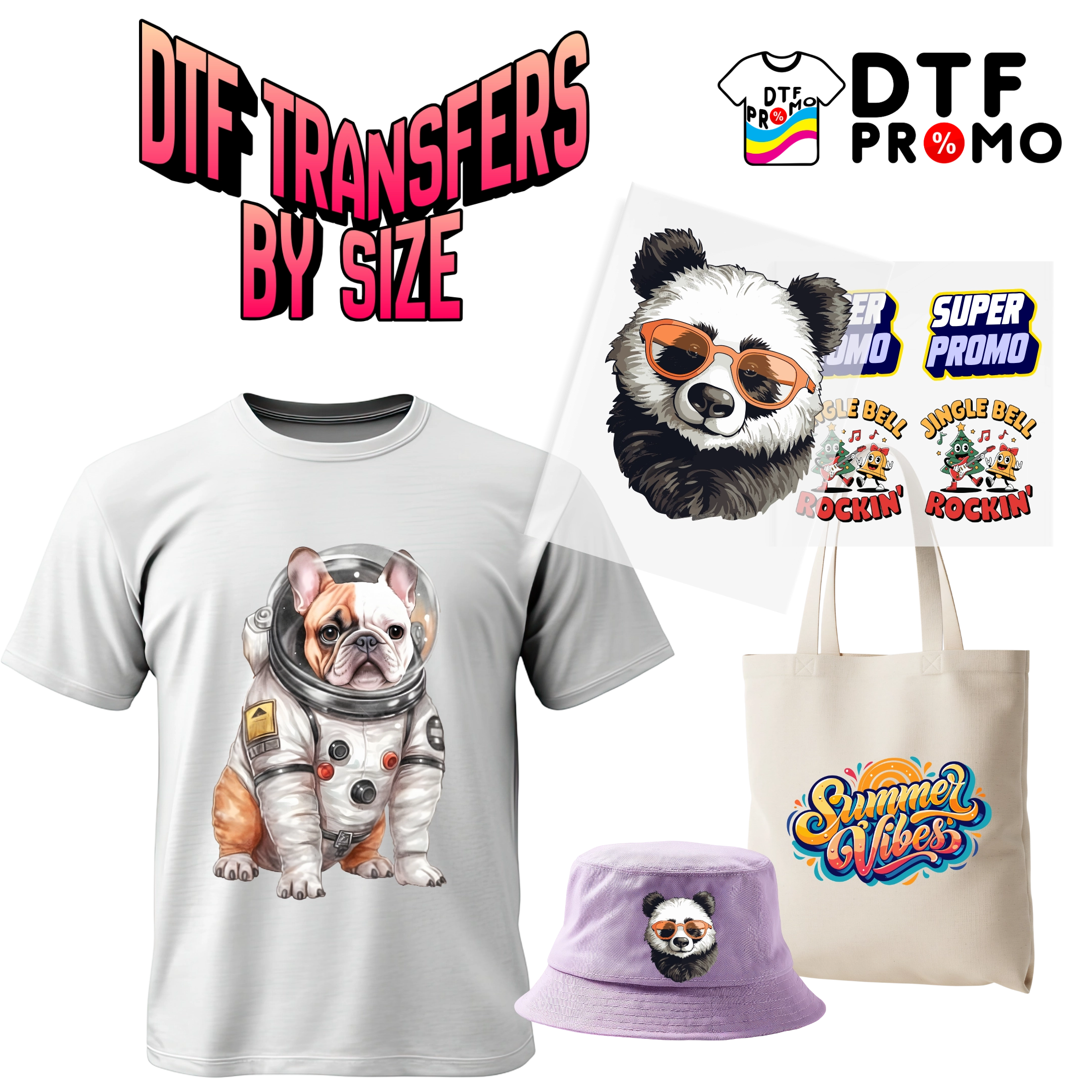
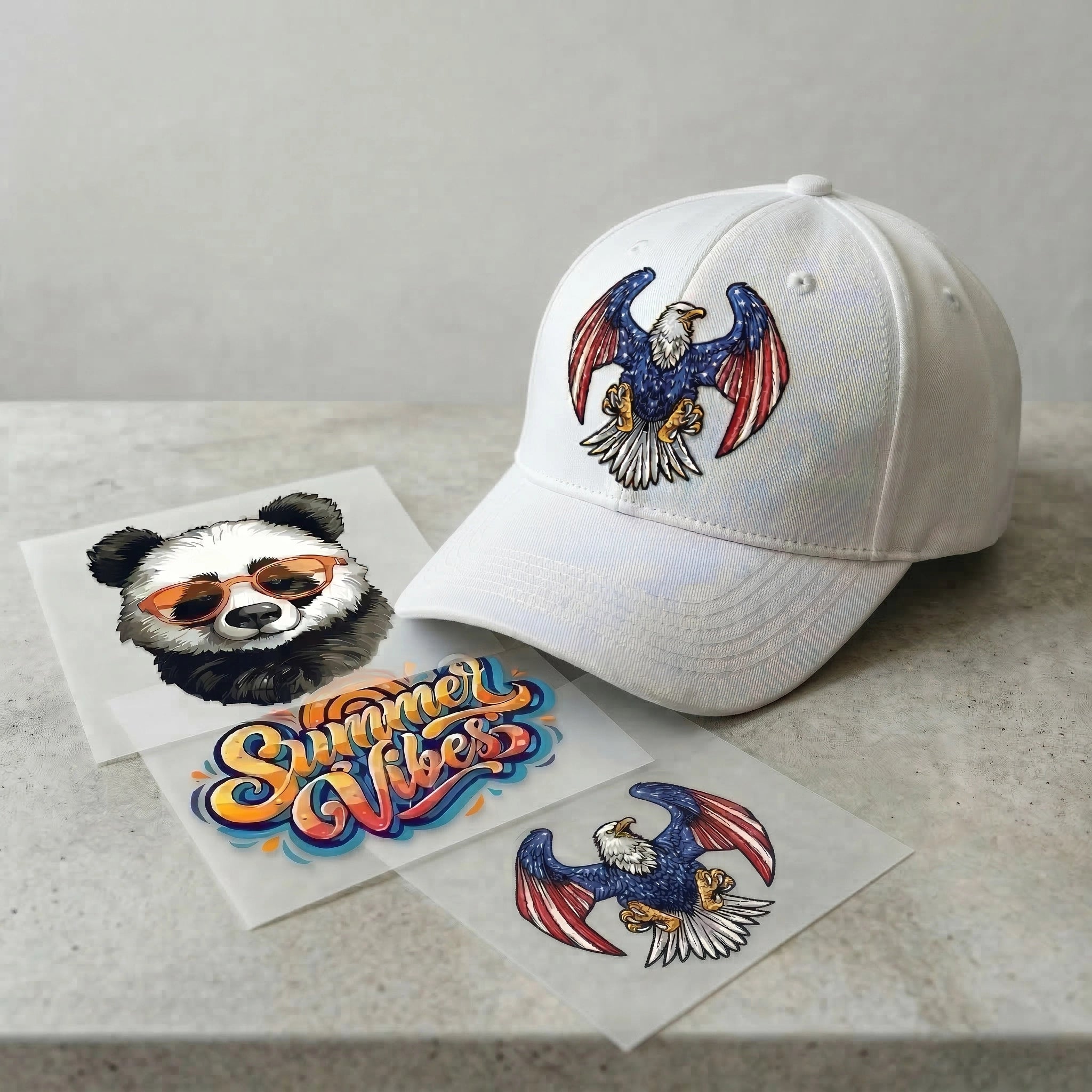
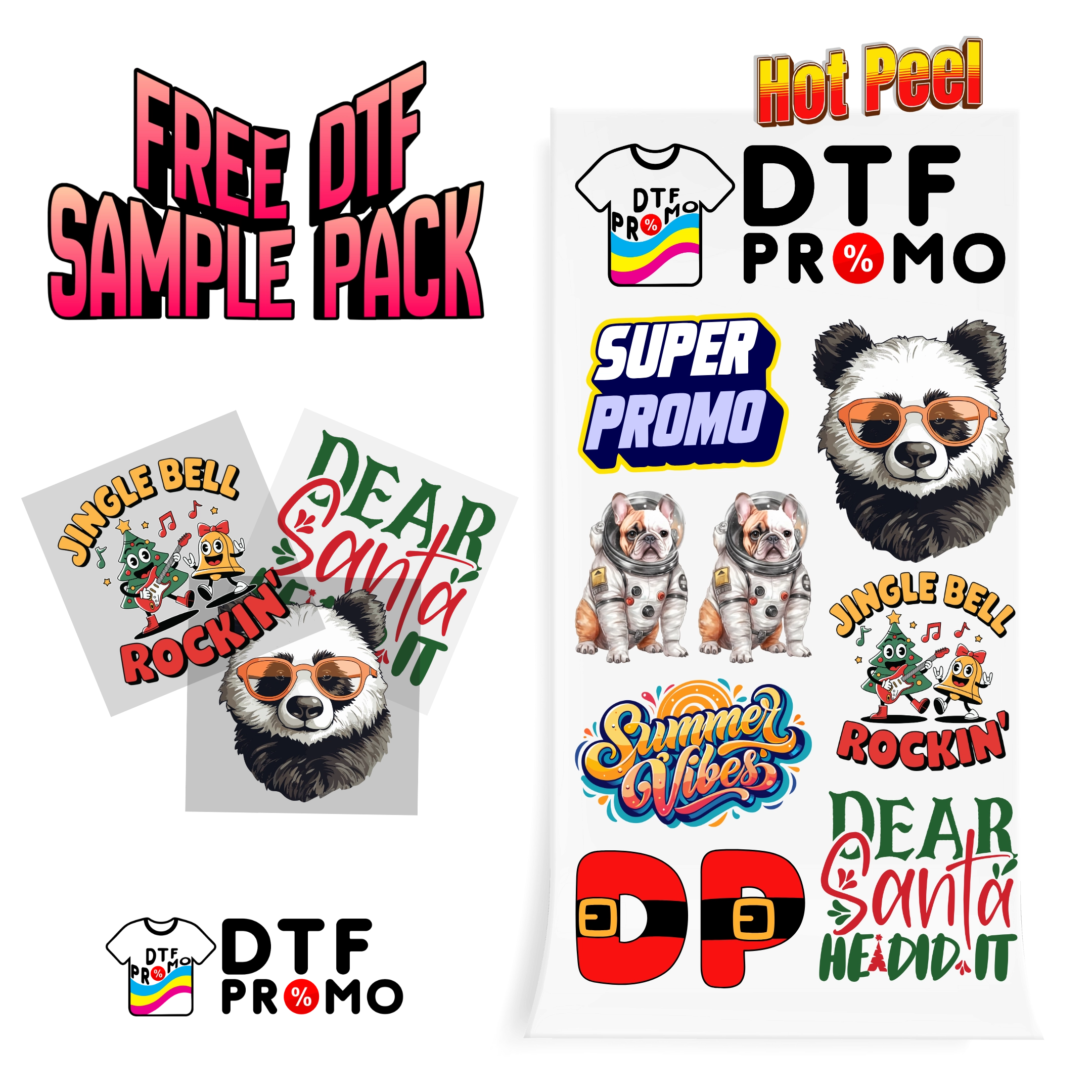
The Mechanical Science Behind Commercial DTF Production
Direct-to-Film transfer engineering works by running specialized pigmented aqueous inks through clean industrial printheads onto a coated polyester carrier film. We apply a uniform layer of polyurethane hot-melt adhesive powder across the wet print layer before running it through a localized heat tunnel. This curing phase converts loose powder into a smooth solid chemical bond that holds design details stable until hot-pressed onto garments.
Unlike standard screen printing setups that demand multiple mesh exposures, messy ink mixing, and long physical registration alignments, our structural system drops total setup time down to near zero. A complex multi-color file processes digitally in minutes rather than hours. This structural advantage allows short production runs to remain profitable while matching the heavy wash durability of traditional plastisol finishes.
Why Print Shops Choose DTF Promo for Regional Sourcing
We built our operational infrastructure at DTF Promo to remove the mechanical failures that slow down busy print operations. When running automated equipment, small environmental shifts throw off ink adhesion properties completely. We run tight multi-point monitoring sequences across our machinery to control local relative humidity and eliminate static discharge issues on film surfaces. Our advanced wide-format configurations yield uniform ink layouts that stand up to commercial tension stress testing without peeling apart.
Production Dynamic Comparison
| Production Dynamic | Standard Screen Printing Workflows | Commercial DTF Film Systems | Traditional Heat Applied Vinyl |
|---|---|---|---|
| Setup Processing Speed | 2 to 4 hours (Screen burning, registration) | 10 to 15 minutes (Digital layout prep) | 30 to 45 minutes (Weeding, vector cutting) |
| Color Palette Capabilities | Limited by station count (Per-color fees) | Full CMYK + White photographic gradients | Single solid color layer limits |
| Minimum Run Constraints | High thresholds (Usually 24 to 48 garments) | No minimums (Gang sheet layout flexibility) | Single piece viable but slow |
| Fabric Compatibility Range | Mainly cotton, blends, open fleece weaves | Universal (Cotton, polyester, nylon, canvas) | Cotton and simple polyester blends only |
| Laundering Longevity Rating | 50+ washes before ink cracking shows | 60+ high-temp wash cycles without degradation | 20 to 30 washes before edge peeling occurs |
Optimizing Heat Press Controls for McKinney DTF Printing Production
Perfect placement results rely entirely on three physical variables: accurate temperature readout, square downward pressure, and exact timing sequences. If a shop uses a basic manual clamshell press with uneven heat coil distribution, the hot-melt adhesive fails to liquefy correctly across the edges of the transfer film. This hidden flaw leads to edge lifting after the customer washes the shirt a few times.
We recommend pneumatic or heavy-duty manual swing-away presses for commercial garment decoration. Swing-away models apply uniform top-down force across the full face plate, preventing ink shifting during initial contact. For standard cotton blanks, set your heat press to 150°C to 160°C with medium-high pressure (approx. 50 to 60 PSI) for 12 to 15 seconds. If decorating delicate synthetic sports shirts, lower the temp setting down to 130°C to 135°C for 10 seconds to protect the weave from heat glazing marks.
Pre-press Phase
Press the raw garment for 4 to 5 seconds to draw out locked-in ambient fabric moisture and flatten surface wrinkles.
Position Alignment
Lay your custom film transfer down with the matte ink layer touching the garment directly.
Initial Heat Run
Lower the upper heat element down using consistent pressure metrics for the selected fabric type.
Cooling Sequence
Allow the film sheet to cool completely down to room temperature before attempting to pull off the carrier sheet.
Post-cure Finishing
Place a silicone protective sheet or parchment paper over the bare print and press again for 5 seconds to lock down fibers.
Overcoming Common DTF Bottlenecks for Local Screen Printers
Screen print shops shifting volume over to Direct-to-Film often run into film-peeling issues because they pull the carrier sheets off too fast. Most commercial films are cold-peel products, meaning the hot-melt polymer needs to reset into a tough solid form before you strip away the PET backing. Peeling the film while it is still warm tears the fine vector lines right off the garment face. Another common print floor issue is ink pooling, which happens when white ink laydown settings are too high for the image resolution. This error traps liquid moisture inside the print layer during the powder-curing process. When heated, that trapped water boils and leaves tiny pinholes across your final design. Keeping your shop air regulated at 40% to 50% relative humidity prevents these common moisture issues entirely.
Operational Case Study: Scaling Production Through Custom Film Integration
An established embroidery and apparel decorating shop based out of Collin County struggled to fulfill recurring weekly orders for local sports leagues and business uniforms. Their existing multi-head embroidery setup faced severe capacity bottlenecks, while their standard vinyl cutting equipment required over fifteen hours of manual weeding labor per batch. The shop attempted to outsource screen print jobs, but high setup minimums destroyed their profit margins on orders under fifty pieces.
The business changed strategy by routing all multi-color design files into a dedicated commercial roll-fed heat transfer pipeline. By laying out graphics on tightly packed gang sheets, they completely eliminated manual vinyl weeding tasks and screen setup routines. This process change allowed them to cut turn times from eight business days down to forty-eight hours. Over a ninety-day production monitoring period, total labor expenditures dropped by 42% while overall weekly output volume increased by 135%, boosting net profitability across their core contract decoration accounts.
Advanced UV DTF Applications for Hard Goods and Promo Items
Textile printing is only half the battle for modern custom apparel businesses. Modern UV DTF systems combine specialized ultraviolet-curable inks with an integrated adhesive layer to form instant-stick decals that require zero heat application. This technique works perfectly for branded glassware, metal tumblers, hard hats, and wooden promotional items.
The workflow uses an aggressive varnish layer that protects designs against scratches and sun fading. For local shops looking to expand their catalog beyond standard t-shirts, adding these decals provides a high-margin upsell path. You cut out the custom transfer film, clean the hard surface with isopropyl alcohol, apply the decal firmly by hand with a squeegee, and peel away the clear masking tape to finish the job.
Solving White Ink Separation and System Maintenance Hurdles
White Direct-to-Film ink uses titanium dioxide particles to create a solid, opaque background layer under CMYK colors. Because these particles are heavy, they quickly settle to the bottom of ink lines and print heads when the machinery sits idle. If you do not agitate the lines, the system fills with weak, watery ink that ruins print opacity and clogs expensive printheads.
We run active circulation pumps on our equipment to keep the white ink mixture fully suspended. If you run a smaller desktop printer converter setup, you must manually shake the ink tanks every single day and run regular head cleans. Taking five minutes for basic maintenance saves you from spending hundreds of dollars on replacement parts and hours of clean-up down the road.
Sourcing High-Output DTF Transfers McKinney Decorators Can Rely On
To keep a high-volume print shop running smoothly, your supply chain must be completely predictable. Relying on inconsistent suppliers means risking your shop's reputation on every order. We mix our production materials to match the humid summers and dry winters of North Texas, ensuring reliable press runs all year long.
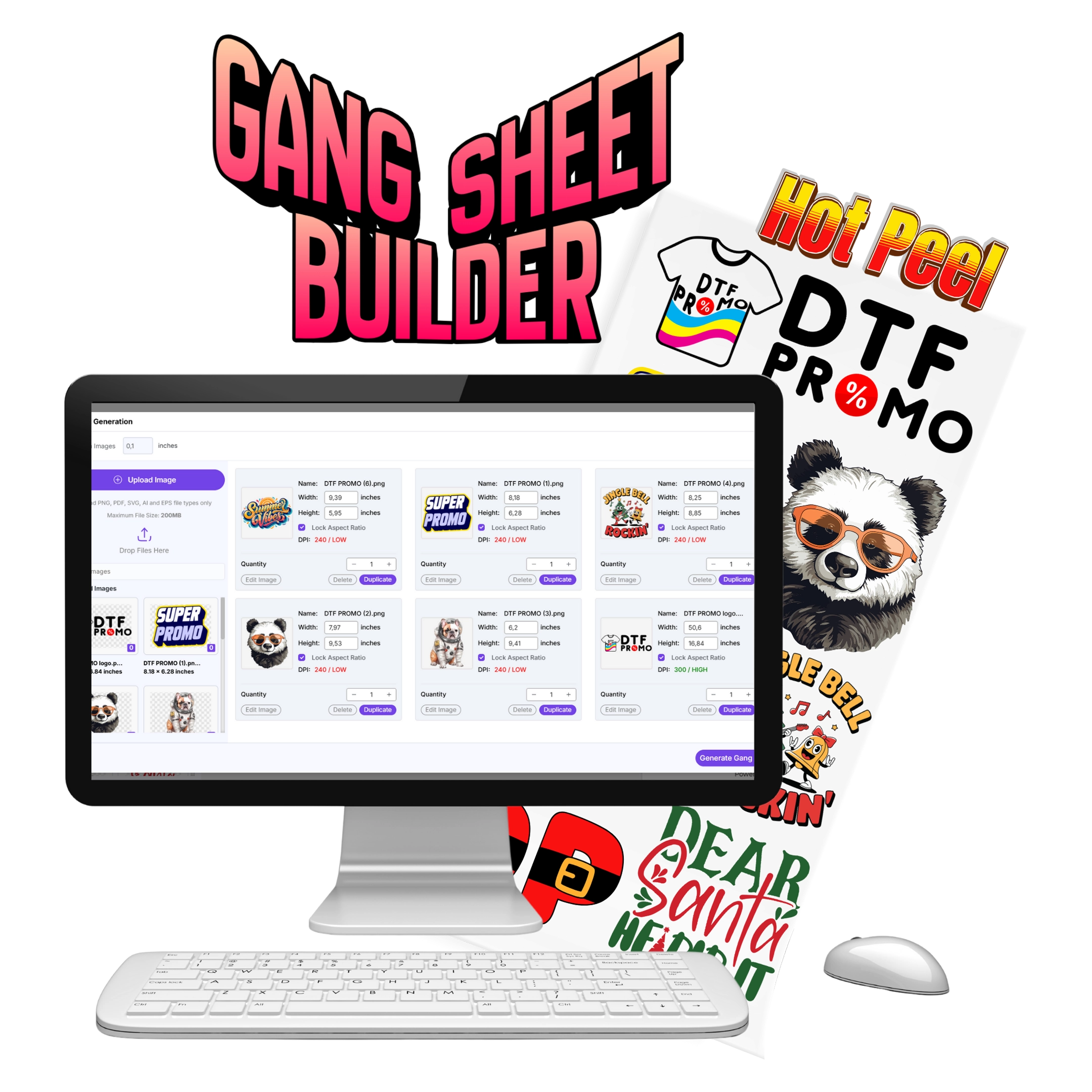
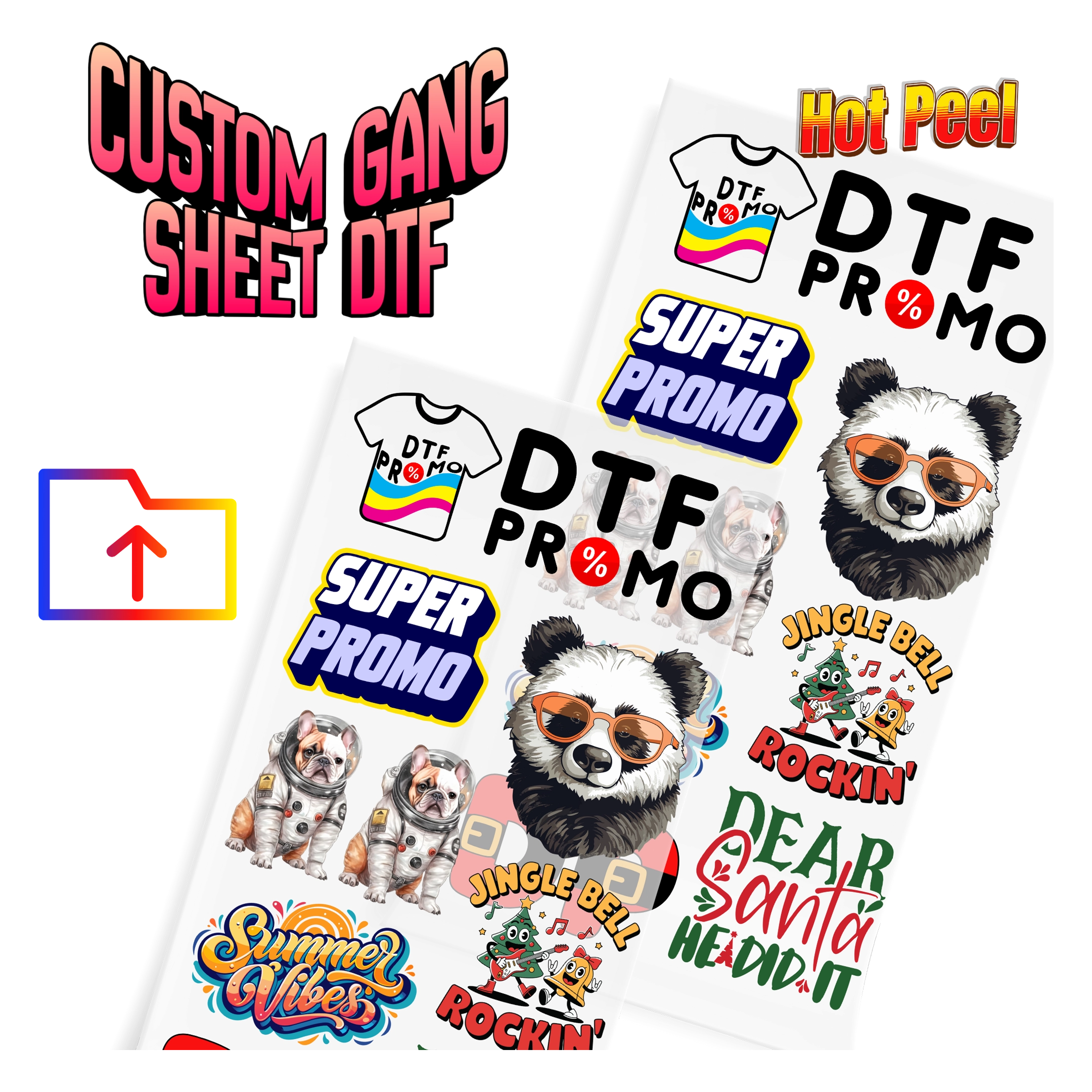
Our online order workflow simplifies file submission for busy print shops. Creators drop their sized vector artwork directly onto our gang sheets to maximize every inch of printable film space. This efficient layout strategy reduces material waste, allows us to offer better bulk pricing, and keeps your cost per print low.
Maximizing Profit Margins for McKinney DTF Transfers Production Work
Apparel printing margins live and die by material waste and manual labor hours. Traditional screen printing drains your profits through long setup times, messy emulsion chemistry, and labor-heavy teardowns. Direct-to-Film technology removes these cost bottlenecks, allowing you to run a single custom shirt just as efficiently as a batch of one hundred.
Maximize your gang sheet space by nesting small sleeve prints, neck labels, and left-chest logos inside the empty spaces of your main graphic layouts. This smart arrangement drops your base cost per print down significantly. Saving that extra space turns raw material savings directly into pure profit for your shop.
Technical Precision Note: Always verify your art files are exported at a true 300 DPI resolution in CMYK color space with transparent backgrounds. Submitting low-resolution web graphics or low-quality layouts results in jagged edges and blurry color transitions on final printed film rolls.
Why Local Garment Decorators Choose DTF McKinney Print Options
Speed defines success in the modern custom apparel market. Customers expect retail-quality merchandise delivered on tight timelines that old-school print methods simply cannot hit. Using our high-output film prints lets you say yes to rush jobs without sacrificing clean details or soft hand-feel.
Our specialized film coatings release smoothly from hot adhesives without snagging fine text or complex design elements. This reliability means fewer ruined shirts, less wasted shop time, and consistent prints across every batch. Whether you are pressing heavy canvas work jackets or lightweight performance polyester athletic gear, our transfers adapt perfectly to the fabric weave.
Strategic Sourcing Logistics and Alternative Regional Hubs
Many local print shops historically sourced materials from the old industrial print distributors around the DTF Harry Hines Dallas TX hubs. While that wholesale district served North Texas apparel decorators for decades, navigating heavy highway traffic and dealing with unpredictable stock levels often derails a busy production day. Moving your sourcing pipeline to an organized online ordering system eliminates those stressful cross-city supply runs entirely.
Our logistics network delivers consistent custom film prints directly to your shop door without the retail pickup delays. Shifting away from manual pickup spots to an automated shipping workflow lets your crew stay focused on running presses and finishing customer orders. This predictable supply line keeps your production floor moving smoothly week after week.
Wash Resistant
High level of resistance to washes for long-lasting durability.
Easy Application
Superior quality of application for a seamless finish.
Color Precision
Perfect color replication to bring your designs to life.
Soft Texture
A soft-hand feel that stays comfortable on any garment.
High Adhesion
Strong adhesion to fabric ensures the design stays put.

Scale Your Local Production Infrastructure with DTF Transfers in McKinney TX
Upgrading your shop's capabilities means choosing reliable tools that streamline your production floor and lower labor costs. Adding premium DTF Transfers in McKinney TX to your shop's workflow allows you to tackle complex, multi-color apparel orders without the massive setup headaches of old-school print methods. Partnering with a reliable supplier ensures your team hits every tight shipping deadline with total confidence.
Stop wasting valuable production hours cleaning messy screens, weeding tedious vinyl rolls, or sitting stuck in metroplex traffic jams. Visit DTF Promo today to set up your contract printing profile, upload your custom vector gang sheets, and unlock a faster, more profitable way to scale your apparel business.
Dedicated Customer Support
Exceptional customer service, to us, is no less than exceptional print quality. We work directly with our customers to make sure that all orders meet their expectations.
We offer suggestions throughout the whole process from artwork set-up to recommendations on production. Regardless whether you are a beginner in DTF printing or an expert owner of a garments business, we aim to make custom apparel easy for everyone.
Contact Us
Order Custom DTF Transfers in McKinney TX Today
We are always on standby to help you create customized apparel that is not only premium but easy to make, so you can go-to-market faster.
Order today from the comfort of your home or office and get your prints done.
Order NowFAQs
We process most standard custom film transfer sheets within 24 to 48 hours from file approval. Our online system routes orders directly to the production floor to minimize transit delays for North Texas print shops.
We strongly advise against using home irons because they cannot provide the uniform heat and heavy downward pressure needed to cure hot-melt powder. A commercial swing-away or pneumatic heat press is required for long-lasting garment durability.
Our custom hot-melt adhesive formula bonds perfectly to cotton, polyester, cotton-poly blends, nylon, canvas, and heavy fleece denim. This versatility eliminates the need to carry different ink types for different garment styles.
Submit your files at 300 DPI in CMYK color space with fully transparent backgrounds as PDF, PNG, or vector SVG files. Ensure all transparent areas are clean to prevent unwanted white ink borders.
Our commercial prints are rated for 60+ high-temperature wash cycles before showing initial wear. For best results, instruct customers to wash garments inside out in cold water and tumble dry on low heat settings.
Hot peel films let you strip the backing off immediately while warm, speeding up high-volume runs. Cold peel transfer sheets require complete cooling to ensure fine vector edges bond firmly to the fabric fibers without tearing.
We eliminate the long drives, long wait lines, and unpredictable stock issues common in older wholesale districts. Our automated online ordering system delivers reliable, commercial-grade custom transfers directly to your shop floor.
Peeling usually happens because of low heat press temperature, weak clamping pressure, or stripping cold-peel film off too early. Always verify your press settings using an infrared thermometer to ensure even heat across the plate.
We do not enforce minimum order sizes on our custom transfer layouts. Print shops can order a single small test design or build out massive multi-yard gang sheets to maximize production efficiency and cut costs.
No, ultraviolet-cured decals are engineered specifically for hard, non-porous surfaces like glass, metal, plastics, and wood. Wearable garments require our standard heat-applied polymer film transfers to ensure the print remains flexible and washable.
Customer Reviews
- Choosing a selection results in a full page refresh.
- Opens in a new window.
- Opens external website.
- Opens external website in a new window.