
Commercial-Grade DTF Transfers in Frisco TX For High-Volume Apparel Production
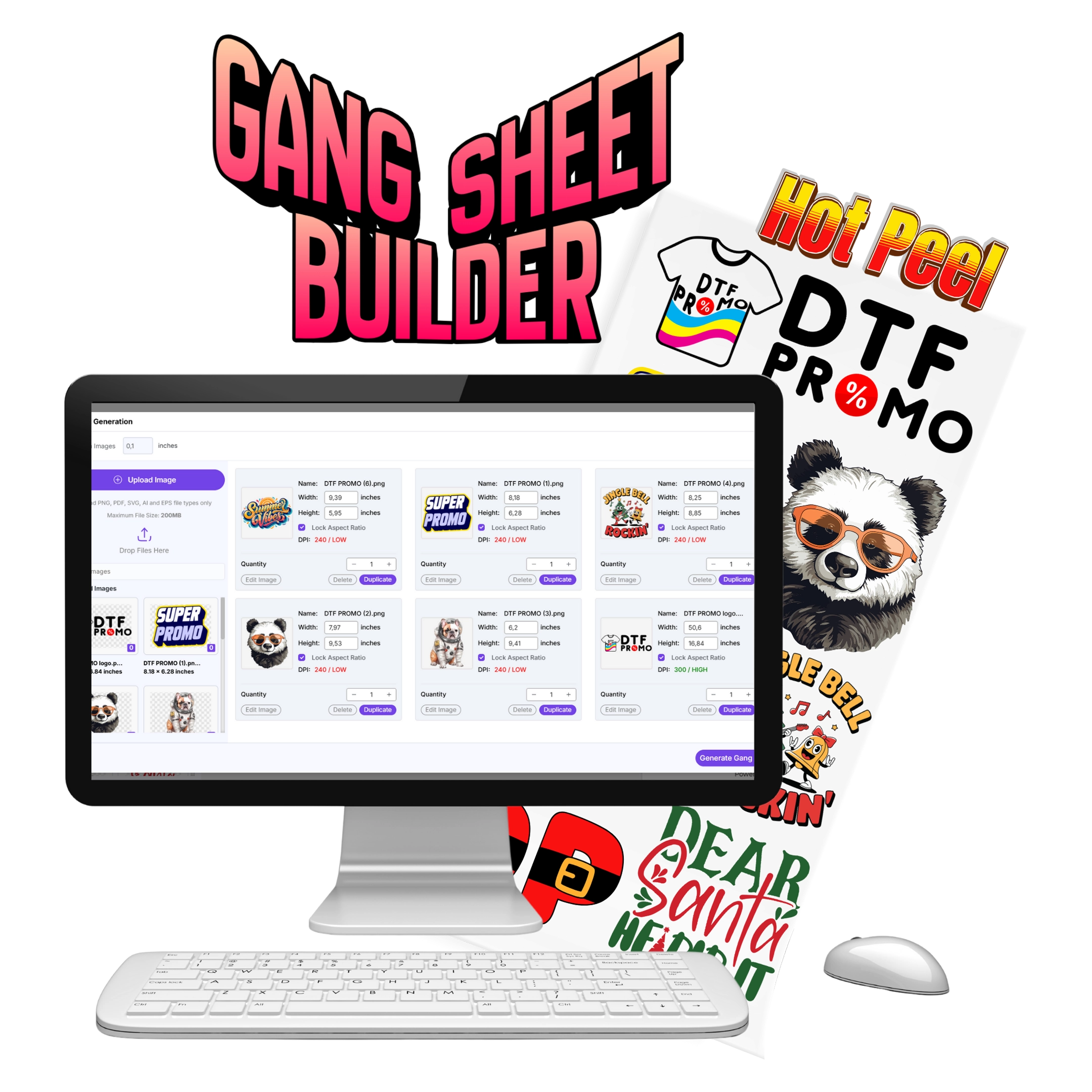
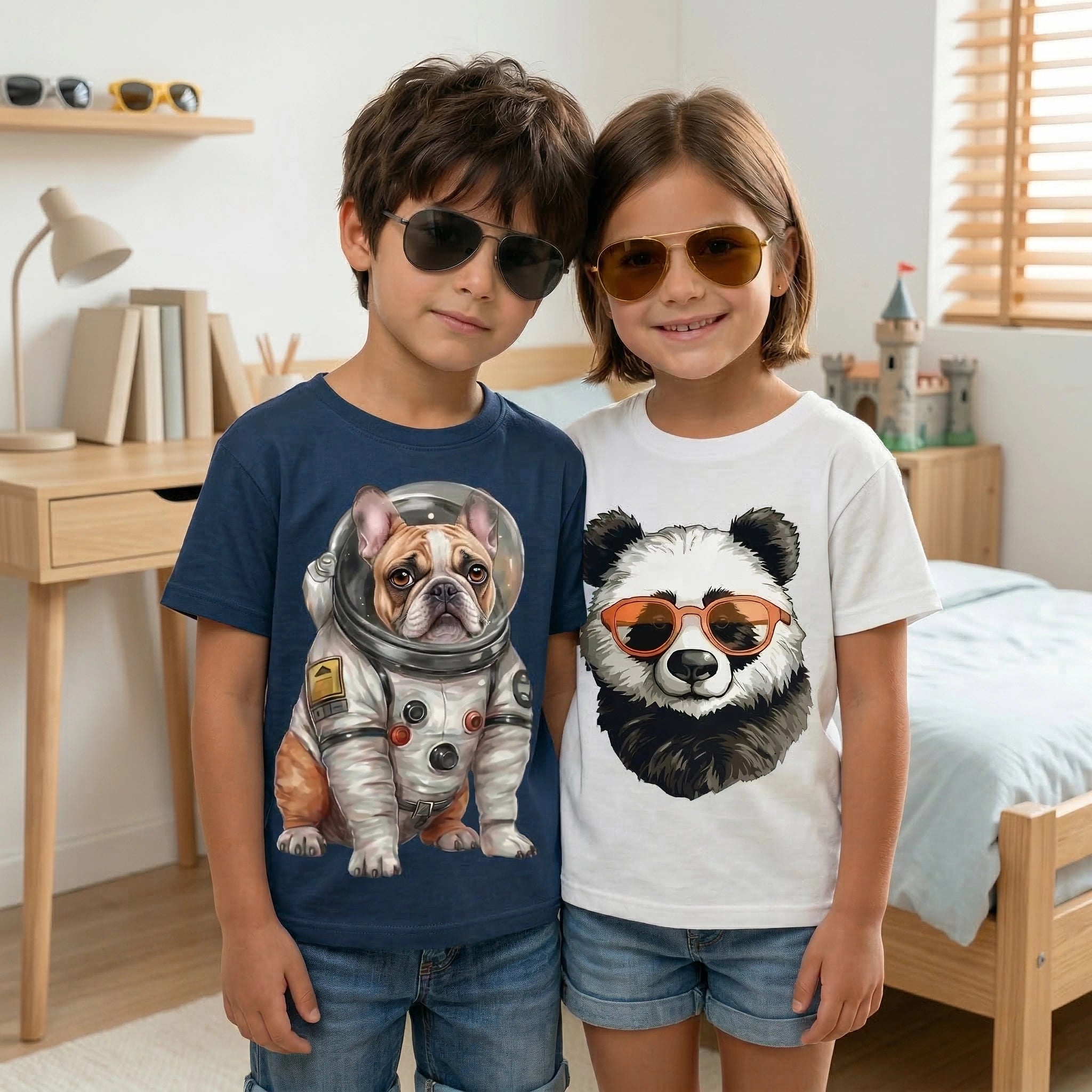
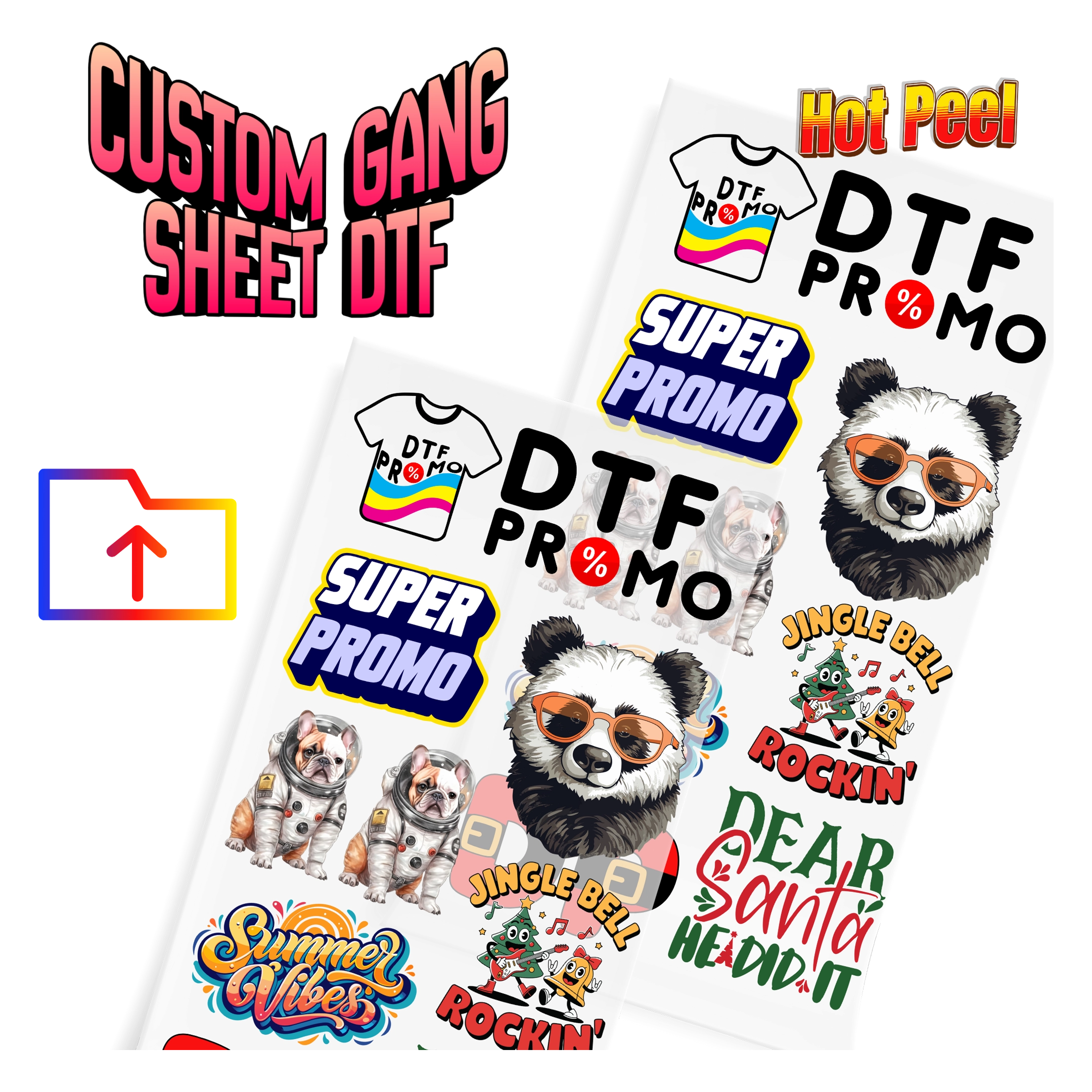
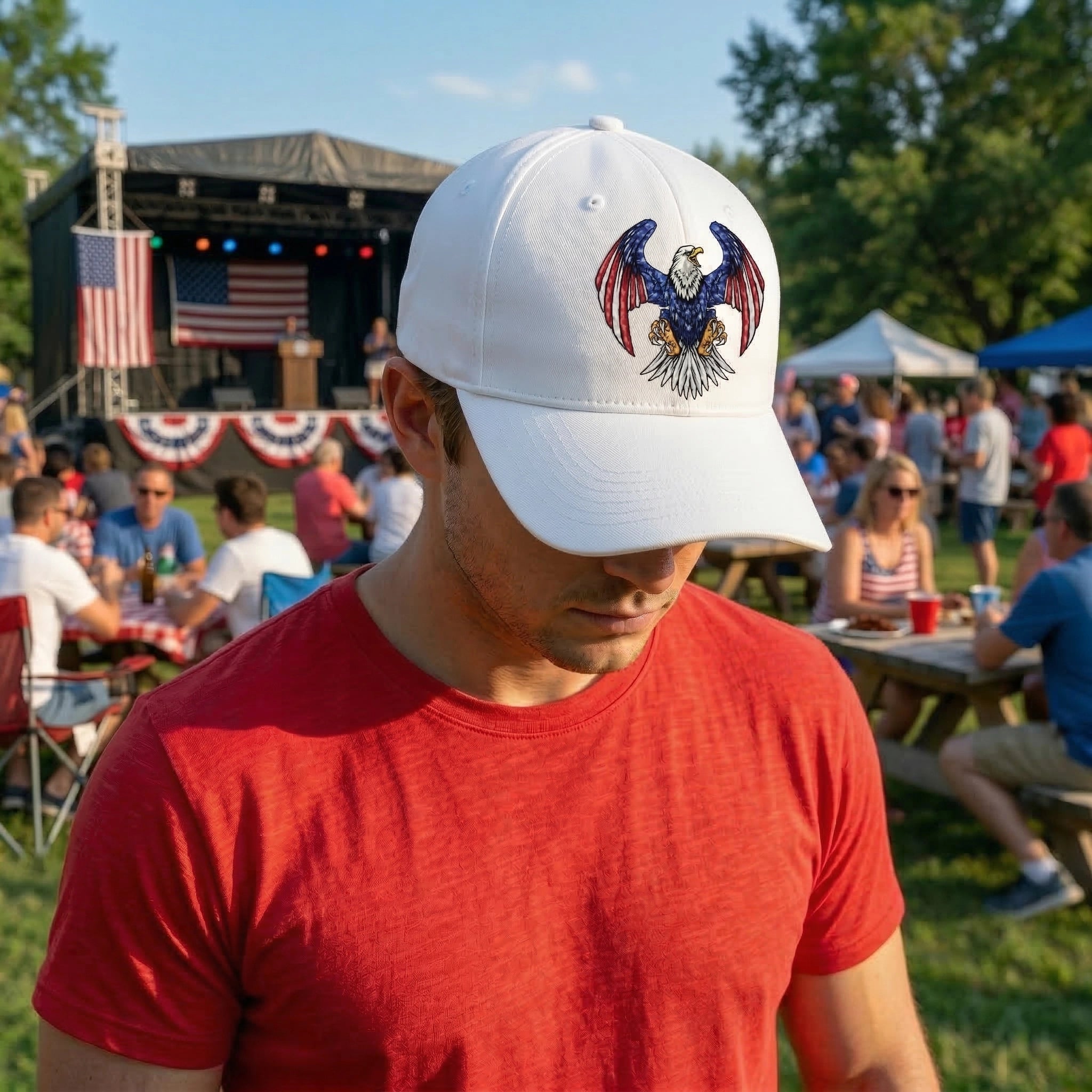
The fastest way to kill a small apparel brand or local print shop is drowning in labor costs. When you are hit with a sudden spike in demand, traditional methods like screen printing or weeding vinyl simply cannot keep up with tight deadlines. Commercial decorators and independent creators require a reliable, high-speed fulfillment system to survive. Our DTF Transfers in Frisco TX solve this exact production problem, delivering commercial-grade Direct-to-Film (DTF) prints—which are specialized digital inks applied to a polyester film and heat-cured with polymer powder—straight to your workshop floor. Running slow machinery or outsourcing to unverified vendors leads to split prints, washed-out whites, and missed client delivery dates. We build our products to handle heavy production stress.
Order Now
Featured Products
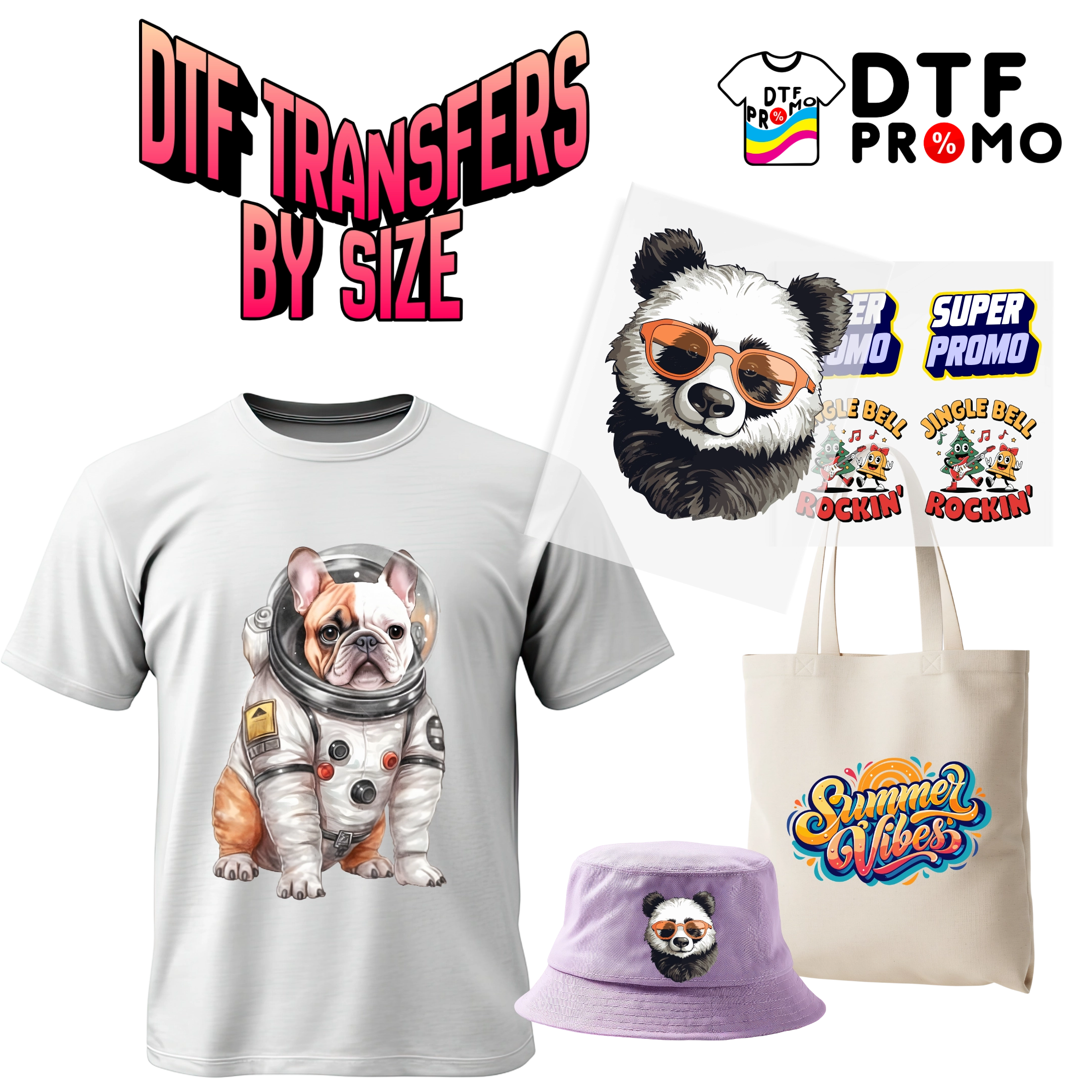
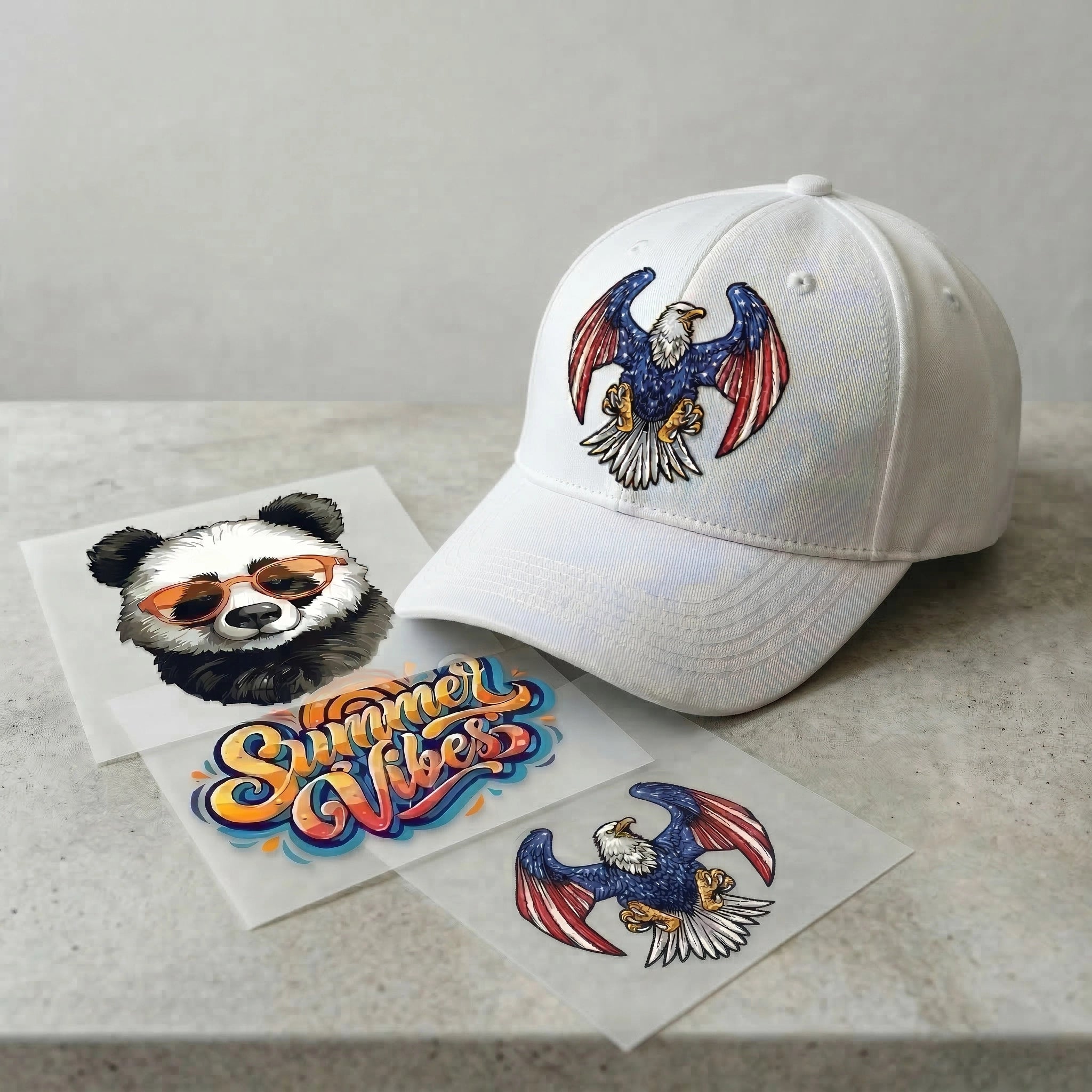
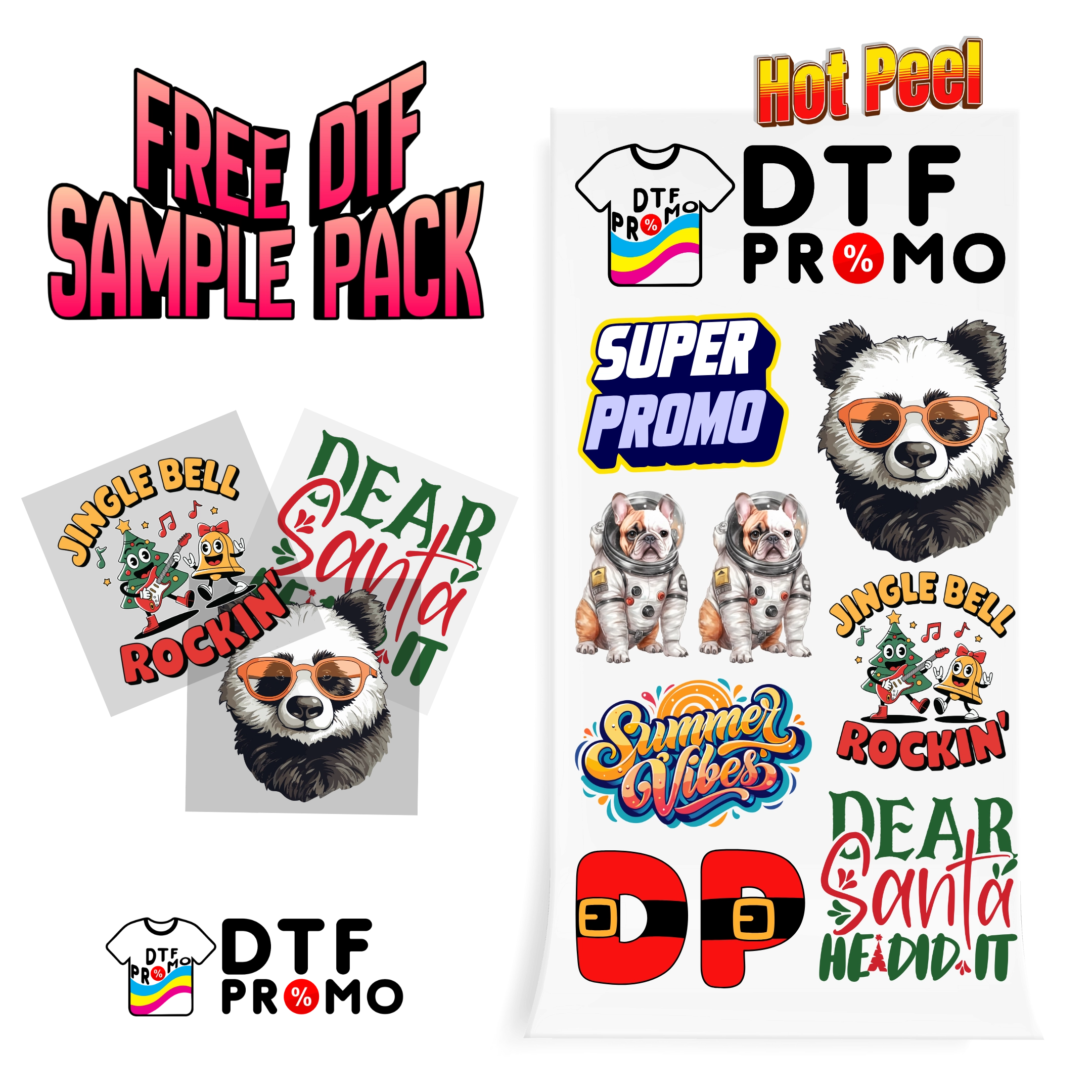
Operational Comparison: Selecting The Right Technology
Choosing the wrong decoration method directly cuts into your shop margins. Here is how premium digital transfers compare against standard industry practices across key manufacturing metrics:
Direct-to-Film technology eliminates the setup phase entirely. A digital file goes directly to industrial plotters, prints onto treated PET film, passes through an automatic powder shaker, and cures in an inline dryer. When the roll arrives, your only task is to position the transfer and press for 12 seconds.
Setup Requirements
Commercial DTF requires absolutely zero minutes of setup time. Traditional screen printing demands 45 to 90 minutes for burning and registering screens. Print-On-Demand (DTG) and HTV vinyl cutting require 5 to 15 minutes of digital prep or plotter alignment.
Labor Intensity
Digital transfers keep labor extremely low since there is no weeding or screen reclamation. Screen printing demands heavy labor for setup and cleanup. Vinyl cutting remains very high due to manual weeding, while DTG requires moderate pre-treatment attention.
Color and Detail Complexity
Our film prints handle infinite color gradients, complex photographic shading, and fine detail flawlessly. Screen printing is strictly limited by the number of physical press stations. DTG handles full color well but struggles with fine line crispness on dark fabrics, and vinyl is completely restricted to solid vector shapes.
Material and Fabric Flexibility
Direct-to-Film technology adheres permanently to cotton, polyester, nylon, canvas, and heavy fleece. Screen printing handles cotton and basic blends easily but risks dye migration on polyester. DTG heavily prefers 100% cotton, and vinyl requires perfectly flat, heat-tolerant surfaces.
Average Application Press Time
A custom digital transfer finishes in a single 12-second press window. Screen printing requires a long trip through a high-power commercial conveyor dryer. DTG demands a slow 120 to 180-second moisture evaporation press, and vinyl requires 15 to 20 seconds of multi-layer positioning.
Long-Term Wash Durability
Our prints achieve a verified rating of over 50 industrial wash cycles before showing initial wear. Traditional screen printing lasts for over 100 washes. DTG prints usually begin fading after 25 to 30 washes, and standard HTV vinyl frequently cracks or peels between 20 and 30 laundry cycles.
Production Milestones: Fulfilling 5,000 Local Orders
Over the past 3 months we have printed and shipped exactly 5,120 commercial-grade gang sheets out of our regional production hub to support rapidly expanding businesses around Collin County. Managing this level of volume required upgrading our automated preflight software and coordinating daily roll logistics to keep local heat presses running without a single hour of idle downtime. By acting as the backend print engine for independent creators, we absorbed the technical equipment strain so our partners could focus strictly on garment application.
During this 90-day production surge, we successfully supplied three distinct business models facing massive seasonal volume:
The High-Volume Etsy Storefront
A home-based apparel brand faced a sudden viral trend, netting over 1,500 individual orders for multi-color fleece hoodies. Their internal desktop conversion setup suffered continuous white printhead clogging, dropping their maximum daily yield to just 15 items. By routing their graphics onto our continuous 22-inch industrial rolls, their daily output shot up to 250 completed garments. They eliminated a 3-week shipping backlog in 4 business days while slashing their manual labor time by 65%.
The Traditional Screen Print Shop
A contract decorator in the area landed a corporate order for 2,500 tri-blend performance shirts featuring a complex 6-color chest logo. Setting up physical screens for a multi-color run on delicate fabric would have occupied their manual carousel press for two full weeks, destroying their margins on smaller walk-in clients. We delivered cured, retail-ready hot-melt transfers directly to their loading dock within 48 hours, allowing them to finish the contract on a dual-platen heat press in 30 total labor hours.
The School Spirit Wear Vendor
A local promotional merchandise supplier needed to deliver 1,100 custom mesh jerseys and nylon gym bags for local youth athletic leagues before opening day. Standard vinyl cutting would have required roughly 60 hours of tedious hand-weeding, and direct-to-garment machines cannot stick to synthetic nylon. We printed their entire catalog on high-elasticity film sheets, keeping their material cost below $2.50 per garment and allowing them to secure a net profit margin of 58% on the project.
Step-by-Step Production Integration for Local Shops
To achieve retail-quality results that mirror the outcome of our high-volume production runs, your shop must follow a disciplined, measurable application process..
File Preparation and Gang Positioning
Set up your digital artboard to exactly 22 inches wide in your vector software. Ensure every graphic has a transparent background and a resolution of 300 DPI. Keep a minimum gap of 0.5 inches between individual designs to allow for quick, hassle-free cutting with shears or a rotary blade.
Calibrating Heat Press Controls
Never rely on the built-in temperature gauges of cheap heat presses, as they can fluctuate by up to 25°F. Use an infrared digital thermometer to verify that your upper platen is hitting a stable temperature between 285°F and 300°F (140°C to 149°C). Set your pneumatic or mechanical pressure to a heavy setting, which equates to roughly 60 PSI.
Pre-Pressing the Garment
Place your blank apparel on the lower press pad and clamp it down for 5 seconds. This simple step drives out ambient moisture and flattens out any stray fabric wrinkles that could otherwise trap air pockets beneath the ink layer.
Executing the Primary Press
Position your cut transfer design face up onto the fabric. Lower the heat press platen and allow the heat and pressure to react with the TPU powder for exactly 12 seconds.
The Cold Peel Phase
Remove the garment from the press and place it on a flat table. Wait until the film cools completely to room temperature before attempting to pull it off. Peeling while the ink is still warm can tear the fine edges of your graphic. Pull the film back smoothly in a low, parallel motion.
The Mandatory Finishing Press
Place the decorated garment back onto the heat press. Cover the exposed print with a sheet of high-grade silicone parchment paper. Clamp the press down for a final 5 seconds. This final step forces the cured ink deep into the weave of the fabric threads, eliminating the plastic feel and locking in long-term wash durability.
Technical Deep Dive: The Chemistry Of Premium Heat Transfers
Understanding the mechanics of digital heat transfers helps you avoid ruined garments and customer returns. Many cheap online suppliers use low-grade components that crack after three cycles through a standard washing machine. We use an entirely different formula.
Precision Textile Ink Viscosity
Our system utilizes high-density, multi-filtered textile pigments. Cheap inks often separate, leading to uneven white layers that let the underlying shirt color bleed through the graphic. By maintaining strict control over our ink viscosity and automated circulation, our equipment lays down a perfectly opaque white underbase. This means your bright yellows and sharp whites remain perfectly true, even when applied to solid black polyester or sublimated sportswear.
Dual-Side Matte Release Film
- It eliminates static electricity so the fine adhesive powder only sticks to the wet ink, not the blank areas of the film.
- It prevents the ink from running or pooling, preserving tiny text and intricate linework down to a single point.
High-Elasticity Adhesive Powder
The bond between the ink and the garment relies entirely on the quality of the thermoplastic polyurethane (TPU) powder. We use a premium, medium-grain powder that melts uniformly at 270°F (132°C). This specific grain profile creates a highly flexible, durable layer that stretches effortlessly along with modern elastane and performance polyester blends without cracking or peeling away.
We print onto a heavy-duty, double-matte coated PET carrier sheet. This specialized backing serves two vital production purposes:

Expanding Offerings With Heavy-Duty UV DTF Stickers
The digital transfer market isn't limited strictly to apparel decoration. Shops looking to maximize their revenue per client are expanding into hard goods using custom UV DTF prints. This technology uses an entirely different ink system. Instead of heat-activated powders, these transfers are printed using ultraviolet-curable inks topped with a high-gloss protective varnish layer. They feature a pressure-sensitive adhesive backing that allows them to bond instantly to rigid surfaces without any heat application whatsoever.
Approved substrates for our specialty stickers include:
- Stainless steel tumblers, insulated flasks, and glassware.
- Ceramic coffee mugs, porcelain dishes, and clay tiles.
- Rigid acrylic sheets, interior signage blanks, and plastic bins.
- Anodized aluminum plates, laptop covers, and electronic cases.
- Varnished hardwoods, finished skateboards, and promotional items.
To apply them, you simply cut out your graphic from the sheet, peel away the thick bottom release liner, align the design over your substrate, and press down firmly from the center outward using a plastic squeegee. Once the adhesive bonds, pull away the clear top transfer tape. The finished product leaves a raised, 3D-feeling print that looks exactly like expensive direct-to-substrate UV printing, but requires zero equipment investment from your shop.
Upgrade Your Commercial Apparel Production
Stop spending your valuable hours weeding tedious vinyl designs, mixing messy plastisol inks, or fighting with unreliable desktop printer conversions. The modern apparel industry moves too fast for outdated decoration workflows that destroy your labor margins. By integrating our commercial-grade gang sheets into your daily shop routine, you can comfortably accept high-margin orders of any size without worrying about turnaround delays. We handle the heavy industrial printing so you can focus entirely on pressing garments, delivering orders, and scaling your brand. Ready to scale your operations? Explore DTF Promo today to find premium printing solutions for your apparel brand.
Contact Us
Order Custom DTF Transfers in Frisco TX Today
We are always on standby to help you create customized apparel that is not only premium but easy to make, so you can go-to-market faster.
Order today from the comfort of your home or office and get your prints done.
Order NowFAQs
DTF printing is a modern apparel decoration method where digital designs are printed onto a special film and then heat-transferred onto clothing. It’s widely used for producing detailed, full-color graphics on garments like t-shirts, hoodies, and uniforms without needing traditional screen printing setup.
Artwork details need to have enough thickness to survive the transfer and washing process. Extremely fine lines or tiny text may not hold properly, especially on stretchy fabrics or garments that undergo frequent wear and wash cycles.
A stiff or plastic-like finish usually comes from imbalance in the transfer process, such as improper curing or excessive adhesive layer buildup. When handled correctly, the print should remain flexible and comfortable on fabric rather than rigid.
A household iron is not suitable because it cannot provide consistent heat and pressure across the entire design. Without controlled pressure, the transfer may not fully bond, leading to peeling or cracking after washing.
Small imperfections like pinholes or uneven spots typically result from environmental factors such as moisture, dust contamination, or overheating during production. Controlled processing conditions help reduce these issues.
Production speed depends on order size and workflow capacity, but efficient systems allow most orders to be completed and shipped quickly. Streamlined production helps businesses meet tight deadlines without long delays.
Yes, when properly formulated, prints can resist dye migration from polyester fabrics, keeping colors sharp and preventing bleeding. This is especially important for sportswear and performance apparel.
There is typically no minimum order requirement, allowing customers to print single items or large bulk runs. This makes the service flexible for both personal use and business-scale production.
UV transfers are generally resistant to water, scratches, and everyday handling, making them suitable for items like bottles and hard surfaces. However, extreme dishwasher heat can reduce long-term durability.
Artwork should be prepared in high resolution with transparent backgrounds and proper color formatting. Correct file setup ensures accurate printing, sharp detail, and fewer production issues.
Customer Reviews
- Choosing a selection results in a full page refresh.
- Opens in a new window.
- Opens external website.
- Opens external website in a new window.