
Key Highlights
-
DTF printing works on cotton, polyester, blends, and more without fabric restrictions
-
DTF prints are durable, flexible, and long lasting when applied correctly
-
The DTF printing process allows detailed, full color designs with fast turnaround
-
DTF printing cost is affordable for both small and bulk apparel orders
-
Minimal DTF printing maintenance is required compared to other printing methods
DTF printing has quickly become one of the most talked about methods in custom apparel. Still, customers often feel confused before placing their first order. These DTF printing quest moments usually come from real concerns about quality, cost, and durability.
This guide answers the most common dtf printing quest questions customers ask before committing. If you sell, buy, or wear printed apparel, these answers will help you feel confident and informed.
Why Customers Have Questions About DTF Printing
DTF printing is different from traditional methods. It does not require fabric pretreatment and works across materials. Because it feels new, customers naturally ask questions before trusting it for their clothing.
From DTF printing durability to DTF printing turnaround time, transparency matters. Let’s break it down clearly.
What Makes DTF Printing So Popular?
DTF printing stands out because it balances quality, speed, and flexibility. Businesses love it because it supports short runs and bulk orders. Customers love it because prints stay vibrant and soft.
Unlike older techniques, DTF printing on cotton and DTF printing on polyester deliver equally strong results without special adjustments.
How the DTF Printing Process Works
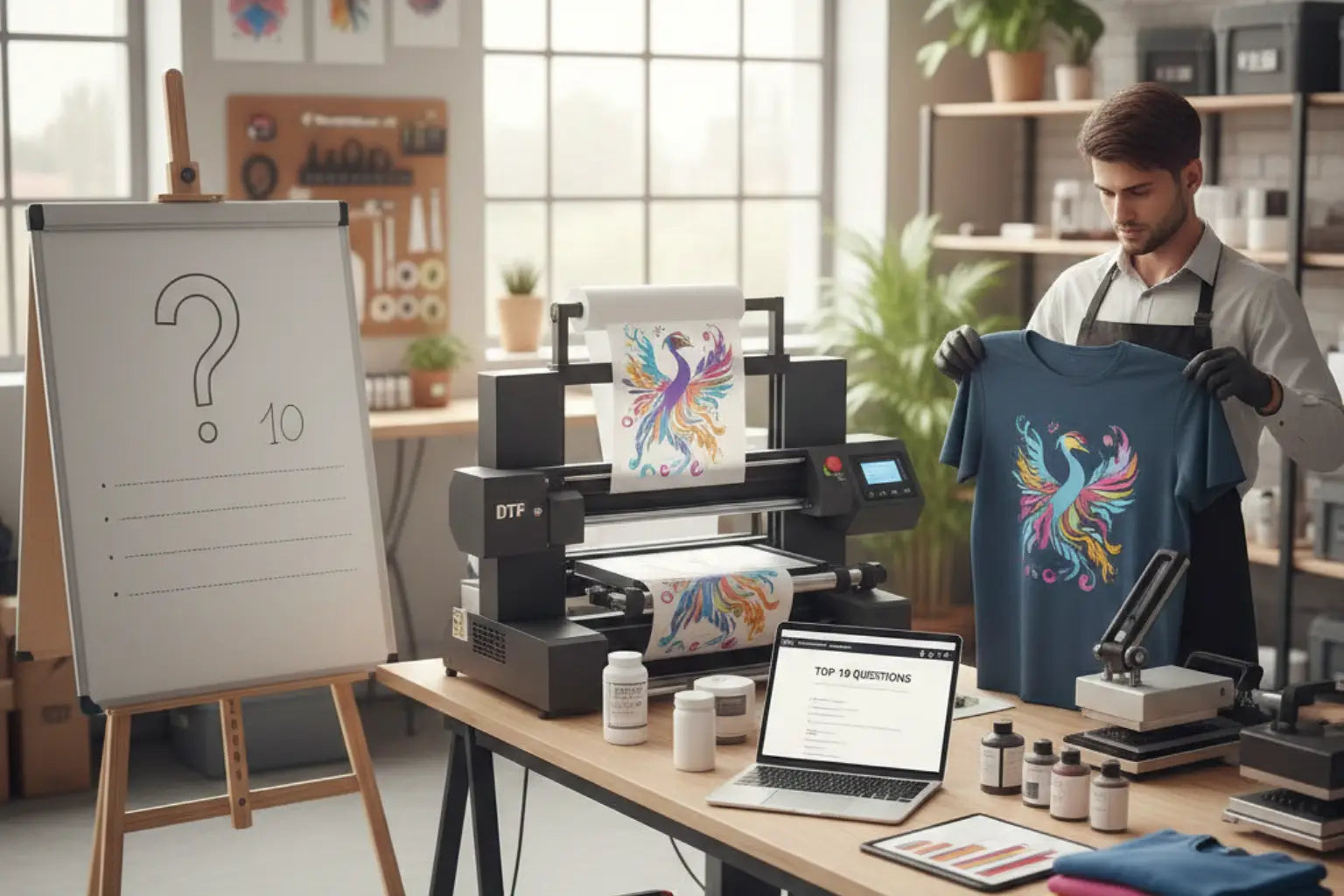
The DTF printing process starts by printing designs onto special film. Powder adhesive is applied, cured, and then heat pressed onto garments. The result is a clean, flexible transfer.
This method allows printers to prepare designs in advance, reducing delays and ensuring consistent quality across orders.
Cost, Durability, and Turnaround Explained
Many customers assume DTF printing is expensive. In reality, DTF printing cost is often lower than expected, especially for small batches.
When applied correctly, DTF printing durability holds up through repeated washing. The DTF printing turnaround time is also fast, making it ideal for rush orders and seasonal drops.
Fabric Compatibility and Care
Customers frequently worry about fabric limitations. The good news is that DTF works well on cotton, polyester, and blends. Basic washing care keeps prints looking fresh.
Routine DTF printing maintenance focuses more on equipment care than garment handling, making it easier for print shops.
Why Clear Answers Build Customer Trust
When customers understand what they are buying, they feel confident. Answering every DTF printing quest honestly reduces hesitation and improves satisfaction.
Clear education also helps businesses set realistic expectations, preventing misunderstandings about pricing, quality, or care.
Conclusion
DTF printing continues to grow because it solves real problems for both customers and apparel brands. When people understand the process, they trust the results.
For reliable, professional DTF solutions and expert support, explore trusted services at DTF Promo and experience quality driven DTF printing firsthand.
FAQs
1. What is DTF printing?
DTF printing is a heat transfer method where designs are printed onto film, coated with adhesive powder, then pressed onto garments, creating durable, flexible, full color prints.
2. How does the DTF printing process work?
The DTF printing process involves printing artwork on film, curing adhesive powder, and heat pressing it onto fabric, allowing sharp details and vibrant colors across many materials.
3. Is DTF printing expensive?
DTF printing cost is affordable for small and large orders, making it popular for startups, print shops, and customers seeking quality without paying premium pricing.
4. How durable are DTF prints?
DTF printing durability is excellent when applied properly, with prints resisting cracking, peeling, and fading through frequent washing and regular daily wear.
5. Does DTF printing work on cotton?
DTF printing on cotton works extremely well, producing soft, vibrant, and long lasting prints without the need for special pretreatments or fabric preparation steps.
6. Can DTF printing be used on polyester?
DTF printing on polyester delivers consistent results, making it ideal for sportswear, activewear, and performance garments that require stretch and wash resistance.
7. How long does DTF printing take?
DTF printing turnaround time is fast, especially for pre made transfers, allowing same day or next day production for many custom apparel orders.
8. Does DTF printing require special maintenance?
DTF printing maintenance mainly involves keeping printers clean and storing films properly, making it easier to manage compared to other garment printing methods.
9. Is DTF printing suitable for bulk orders?
DTF printing is perfect for bulk orders because transfers can be prepared in advance, saving time while maintaining consistent quality across large apparel runs.
10. Why do customers choose DTF printing?
Customers choose DTF printing for its flexibility, durability, fast production, and ability to print detailed designs on nearly any fabric type.