
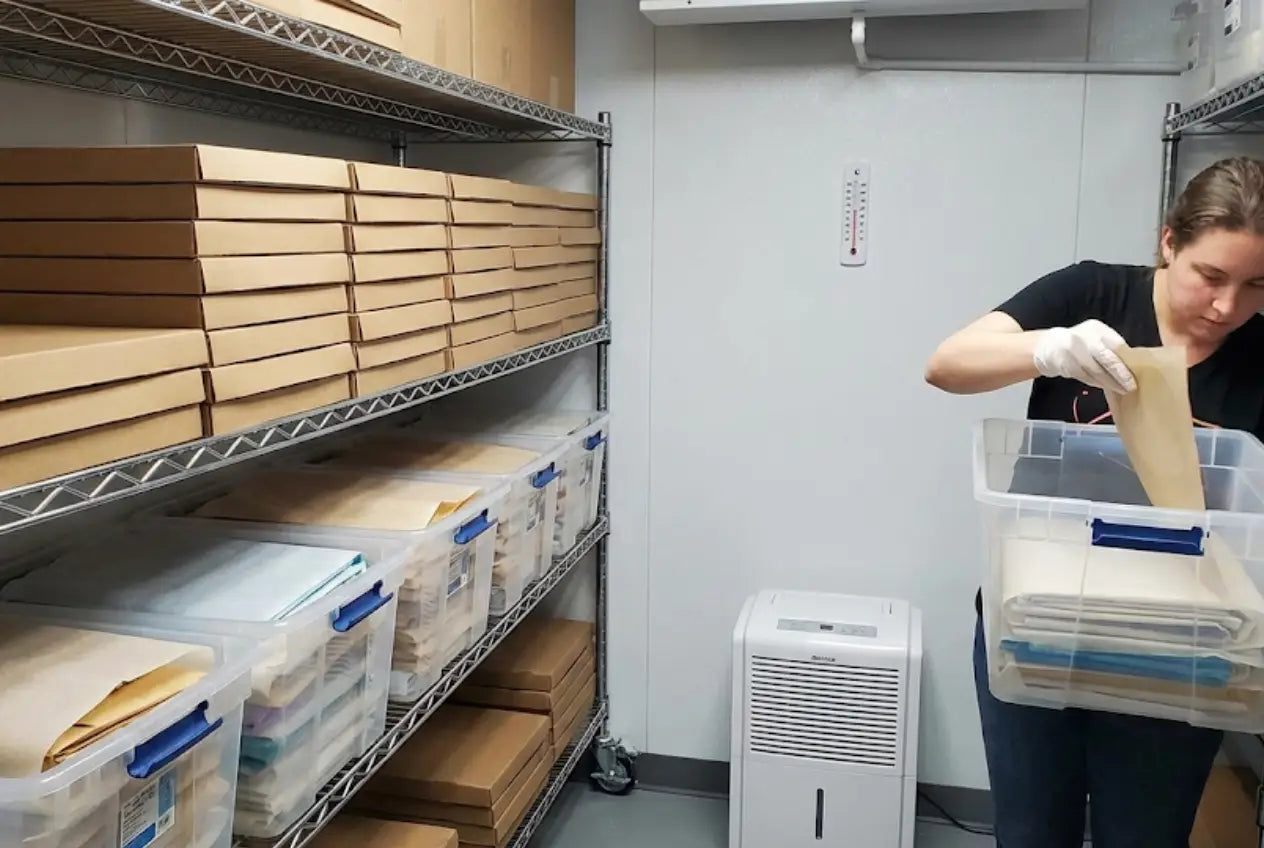
Key Highlights
- Store DTF transfers flat in cool, dry environments
- Control humidity to prevent cracking and adhesion issues
- Handle transfers with clean, dry hands only
- Protect transfers from dust, light, and pressure
- Proper storage significantly extends transfer shelf life
DTF transfers are only as good as the condition they’re kept in. You can have flawless prints, premium ink, and perfect curing, but poor storage can quietly ruin everything before pressing even begins.
Improper stacking, humidity exposure, dust buildup, or careless handling often lead to cracking, adhesion issues, and color fading. These problems don’t show immediately, which makes them even more frustrating when transfers fail during application.
This guide shares DTF transfer storage tips that real printers rely on daily. Whether you’re running a busy shop or storing transfers at home, proper handling protects your time, materials, and reputation.
Why Proper DTF Transfer Storage Matters
Understanding the best way to store DTF transfers prevents silent damage that often goes unnoticed until heat pressing. Adhesive powder reacts to moisture, while ink layers are sensitive to pressure and heat.
When storage conditions are stable, transfers remain flexible, vibrant, and ready to press. Poor storage introduces unpredictable results that no amount of heat press adjustment can fix later.
How to Handle DTF Transfers Without Damaging Them
Knowing how to handle DTF transfers properly starts with clean hands and minimal contact. Oils, moisture, and fingerprints interfere with adhesive bonding during pressing.
Always lift transfers gently from edges and avoid bending or rolling. Flat handling keeps ink layers intact and prevents micro cracks that expand under heat pressure.
Best Way to Store DTF Transfers Flat and Safe
The best way to store DTF transfers is flat, inside protective sleeves or folders, stacked lightly without weight on top. Compression damages ink elasticity over time.
Avoid rolling transfers for long periods. Flat storage preserves shape and ensures consistent pressure distribution when pressed onto garments later.
How to Store Heat Transfers for Long Term Use
When learning how to store heat transfers, temperature control matters more than most beginners realize. Excessive heat softens adhesive, while cold environments make ink brittle.
Choose a cool, stable storage space away from direct sunlight. Closets, drawers, or dedicated cabinets work well for maintaining consistent conditions year round.
Tips for Preserving DTF Transfers Over Time
Effective tips for preserving DTF transfers include limiting air exposure, sealing transfers in bags, and separating batches by production date.
Rotating older transfers forward prevents unnecessary aging. This habit ensures transfers are used within their optimal performance window.
How to Avoid DTF Transfer Cracking Before Pressing
To avoid DTF transfer cracking, prevent bending, folding, and temperature swings during storage. Cracks often form invisibly and appear only after heat pressing.
Maintaining consistent humidity and storing transfers flat eliminates most cracking issues before they ever start.
Proper Humidity for DTF Transfer Storage
Maintaining proper humidity for DTF transfer storage is critical. High humidity activates adhesive prematurely, while low humidity dries ink layers excessively.
Aim for moderate indoor humidity levels. Using silica packets or dehumidifiers helps stabilize conditions, especially in humid climates.
Shelf Life of DTF Transfers Explained
The shelf life of DTF transfers depends on storage quality, not just time. Transfers stored correctly often remain usable for several months without performance loss.
Ignoring environmental factors dramatically shortens lifespan, even if transfers appear visually unchanged.
How Long Do DTF Transfers Last in Storage?
Many printers ask how long do DTF transfers last in storage. Under ideal conditions, most transfers last six months or longer.
Poor handling and moisture exposure can reduce that timeframe to weeks, making proper storage habits essential.
Keep DTF Transfers Dust Free at All Times
Dust contamination affects adhesion and print clarity. Always keep DTF transfers dust-free by storing them in sealed containers or sleeves.
Even tiny particles can create press marks or prevent ink bonding evenly during heat application.
DTF Transfer Handling Instructions for Daily Use
Following DTF transfer handling instructions daily prevents accidental damage. Avoid stacking heavy items on transfers or sliding them across rough surfaces.
Careful handling ensures transfers stay smooth, flexible, and press ready without unnecessary reprints.
Best Temperature to Store DTF Transfers Safely
Knowing the best temperature to store DTF transfers protects ink stability. Moderate room temperature environments prevent adhesive softening or ink brittleness. Avoid garages, warehouses without climate control, or areas exposed to seasonal temperature swings.
Proper DTF Transfer Handling Builds Consistency
Practicing proper DTF transfer handling creates predictable results. Consistency in storage and handling leads to consistent press outcomes, fewer errors, and higher customer satisfaction. Good habits save time, reduce waste, and protect profit margins long term.
Conclusion
Proper storage and handling are just as important as printing itself. When DTF transfers are protected from moisture, dust, pressure, and temperature swings, they perform exactly as intended.
For high quality DTF transfers, expert support, and reliable supplies, visit DTF Promo and protect your prints from the moment they’re produced to the final press.
FAQs
1. Why is proper DTF transfer storage important?
Proper storage prevents cracking, moisture damage, dust contamination, and adhesion failure, ensuring transfers remain flexible, vibrant, and ready for consistent heat press application.
2. Should DTF transfers be stored flat or rolled?
DTF transfers should always be stored flat to avoid bending, ink stress, pressure marks, and cracking that may appear during pressing or washing.
3. What humidity level is best for storing DTF transfers?
Moderate indoor humidity is ideal, preventing adhesive activation or ink dryness while protecting transfers from moisture related damage over extended storage periods.
4. Can heat affect stored DTF transfers?
Yes, excessive heat softens adhesive and weakens ink layers, making transfers more prone to lifting, distortion, or reduced durability during pressing.
5. How long can DTF transfers be stored safely?
When stored correctly in cool, dry, dust free environments, DTF transfers can remain usable for six months or longer without quality loss.
6. Does dust impact DTF transfer quality?
Dust particles interfere with adhesive bonding, causing uneven pressing, texture issues, or visible defects that reduce final garment quality.
7. Can stacked transfers cause damage?
Heavy stacking applies pressure that can flatten ink layers, reduce flexibility, and increase cracking risk, especially during long term storage.
8. Should DTF transfers be sealed during storage?
Yes, sealing transfers in protective sleeves or bags reduces exposure to moisture, dust, and air, helping preserve print quality longer.
9. Is handling DTF transfers with bare hands okay?
Clean, dry hands are acceptable, but oils and moisture from skin can interfere with adhesion if transfers are handled excessively.
10. What’s the biggest storage mistake printers make?
Ignoring humidity and temperature control is the most common mistake, often causing hidden damage that appears only during heat pressing.