
Key Highlights
- Most failures start with curing and temperature inconsistencies
- Press accuracy matters more than excessive pressure
- Poor setup leads to long term durability issues
- Maintenance directly affects transfer quality
- Small adjustments prevent wasted shirts and reprints
If you’ve ever peeled a shirt off the heat press only to watch the design lift, crack, or partially stick, you’re not alone. DTF looks easy until it suddenly isn’t.
Most DTF printing mistakes don’t happen because the printer is bad or the film is low quality. They happen because small details get ignored during setup, curing, or pressing. The frustrating part is that these mistakes usually show up after you think everything went fine.
This guide walks through the real world errors printers make every day, and more importantly, how to stop repeating them.
Why Setup Causes So Many Problems
A large percentage of common DTF printing issues begin before printing even starts. Incorrect artwork resolution, rushed file prep, or ignoring printer calibration can quietly ruin an entire batch.
DTF printing rewards slow, careful setup. When you skip those checks, problems appear later when fixes are far more expensive and time consuming.
Understanding Transfer Errors Before They Cost You
Many DTF transfer errors aren’t obvious until after pressing or washing. Adhesive might look melted but never fully bonded, or ink layers might sit unevenly on the film. Learning to recognize early warning signs saves garments, time, and stress during production runs.
Why Prints Refuse to Stick Properly
When printers complain about a DTF print not sticking, the issue is rarely the ink. It’s usually temperature inconsistency, moisture in garments, or incomplete adhesive activation. DTF requires balanced heat and time, not rushed pressing or guessing settings from memory.
How to Fix Transfers That Peel
Knowing how to fix peeling DTF transfers starts with identifying where the failure occurred. Most peeling issues trace back to under curing adhesive or unstable press temperatures. Fixing these variables restores durability without changing film or ink brands.
Heat Press Errors That Ruin Otherwise Good Prints
There are several heat press mistakes to avoid, but uneven pressure and rushed peel timing top the list. Presses need proper warm up time before producing consistent results. Applying more pressure doesn’t improve bonding, it often damages ink and causes premature cracking.
The Do’s and Don’ts That Actually Matter
Real DTF printing do’s and don’ts focus on consistency. Do test on every new garment. Don’t assume yesterday’s settings work today. Environmental changes alone can affect how adhesive melts and bonds.
Solving Powder Curing Problems
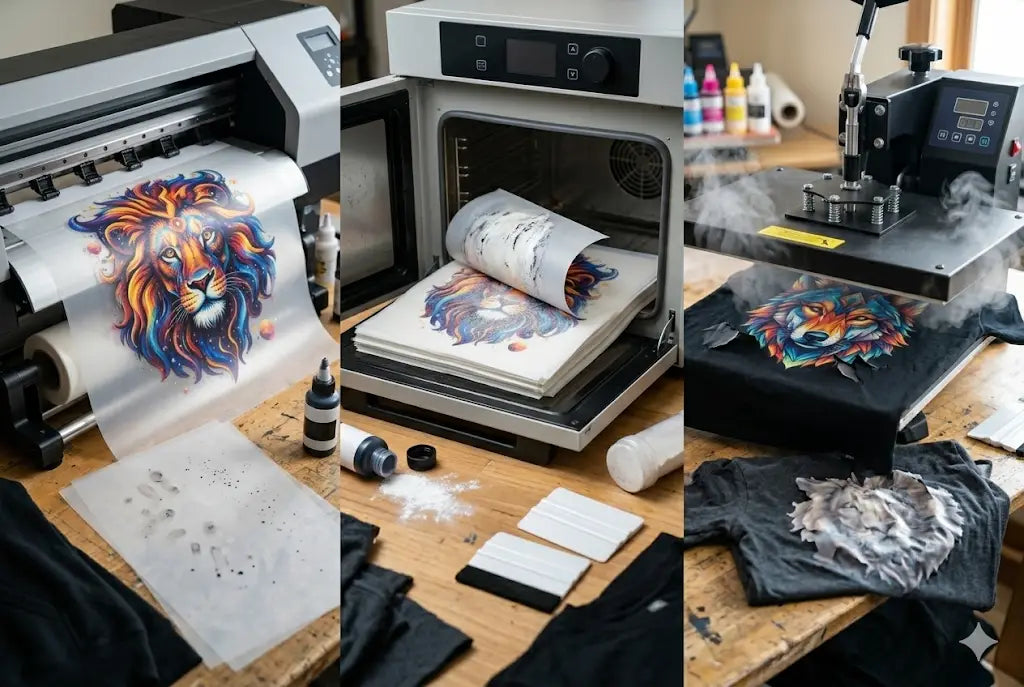
Persistent DTF powder curing issues usually mean uneven heat exposure. Under cured powder leaves weak bonds, while over curing burns adhesive flexibility away. Controlled airflow, stable temperature, and patience are critical during this step.
Best Practices That Create Consistent Results
Following best practices for DTF transfer printing means documenting what works. Write down press settings, curing time, and fabric types that succeed. Consistency eliminates guesswork and reduces failed prints dramatically.
Why Maintenance Gets Overlooked
Many printers ignore DTF printer maintenance tips until something breaks. Dirty nozzles and clogged systems directly affect ink laydown and color accuracy. Routine cleaning prevents costly downtime and quality complaints.
Why Prints Peel After Washing
If you’re asking what causes DTF prints to peel off, the answer almost always involves incomplete bonding. Wash failures reflect curing or pressing mistakes, not weak ink. Proper bonding survives repeated washes without lifting.
Preventing Mistakes Before They Happen
Understanding how to prevent DTF transfer mistakes means tracking results. Keep records of what fails and what succeeds. Experienced printers rely on systems, not luck.
Getting Clean, Professional Results Every Time
Learning how to get clean results with DTF transfers comes down to discipline. Clean edges, vibrant color, and strong adhesion all stem from controlled, repeatable steps. Shortcuts always show up later.
Conclusion
DTF printing rewards patience, consistency, and attention to detail. Most failures aren’t mysterious, they’re the result of skipped steps and rushed decisions.
For reliable supplies, expert support, and professional grade DTF solutions, visit DTF Promo and print with confidence instead of frustration.
FAQs
1. What are the most common DTF printing mistakes beginners make?
Beginners often struggle with curing consistency, incorrect temperatures, uneven powder application, and rushing peel timing, leading to cracking, peeling, or weak adhesion after washing.
2. Why do DTF transfers peel after pressing?
DTF transfers peel when adhesive powder is under cured, press temperature fluctuates, or moisture remains in the garment during pressing.
3. Can heat press pressure cause DTF problems?
Yes, uneven or excessive pressure distorts designs, reduces adhesion, and creates inconsistent bonding across the transfer surface.
4. How do I know if my DTF adhesive is cured properly?
Properly cured adhesive appears smooth and glossy, not grainy or burned, and bonds firmly during pressing.
5. Why does my DTF print look fine but fail after washing?
Wash failure indicates weak bonding caused by improper curing, unstable press temperatures, or insufficient pressing time.
6. Are DTF printing issues usually caused by poor ink quality?
Most issues come from process errors like curing, pressing, or environment, not ink quality.
7. How often should DTF printers be maintained?
Weekly maintenance including nozzle checks, platen cleaning, and ink system inspections helps maintain consistent print quality.
8. Can humidity affect DTF transfer performance?
High humidity interferes with powder curing and adhesive bonding, increasing peeling risk.
9. Should every garment type be tested before production?
Yes, fabrics react differently to heat, pressure, and adhesive bonding during DTF transfers.
10. What’s the fastest way to improve DTF results?
Focus on stable temperatures, proper curing, regular maintenance, and documenting successful settings.