
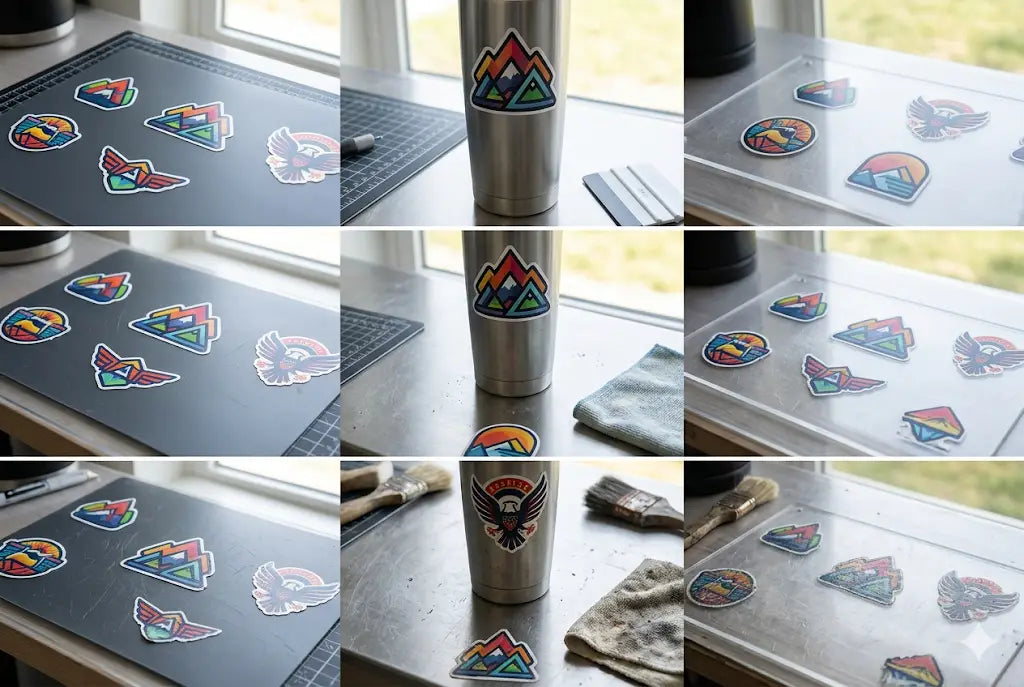
As a UV print shop, it is important for you to understand how UV prints react to different surfaces. Without this knowledge, you cannot create highly reliable products that your customers can trust. Prints applied on uneven, textured, or on non-compatible materials can reduce the overall quality of a decal, leading to peeling, cracking, and fading.
Transfers made professionally can last for many years as long as proper installation methods are followed. Scroll below to learn how your UV prints will hold up on plastic, metal, and acrylic.
Plastic Surfaces Require Proper Preparation
Plastic is still among the most widely used materials for UV DTF transfers due to its presence in packages, drink ware, containers, and marketing products. While these surfaces accept UV transfers effectively, the longevity relies mostly on their cleanliness and roughness. Oils, dust, and manufacturing contaminants may affect adhesion if these elements are not addressed before installation.
Smooth plastic tends to bond more easily than those with textures. If high-quality transfers are placed correctly, adhesion can last for several years without any significant fading or lifting indoors. Nevertheless, contact with excessive friction, sunlight, or moisture may shorten the lifetime if products are subjected to rough handling.
A Few Things to Keep in Mind
- All plastic products must be cleaned thoroughly prior to transfer placement. Fingerprints leave oils that affect the bond after some time.
- The removal of dust and residue ensures proper attachment of the transfer film to the surface.
- Packages, cosmetic cases, and other office supplies are usually less exposed to various factors than outdoors items.
- Fewer chances of encountering sunlight and moisture prevent any color fading and maintain the integrity of the bonding compound.
- Metal Offers Excellent Long-Term Durability
Metals are among the substrates providing the best results in terms of the UV DTF technology adhesion properties. The stainless steel tumblers, aluminum water bottles, and other metal products can feature high-quality transfers due to their consistent and reliable surface structure. With normal usage, a well-done graphic design can last several years.
Metal material is resistant to any moisture, which makes transfers stable and durable over a long period of time. Nevertheless, vigorous cleaning and hard impact may affect the lifespan of any graphic decoration. The frequent dishwasher usage can weaken the adhesive bonding process in the future, depending on the transfer quality and washing temperature.
A Few Things to Keep in Mind
- A smooth metal surface promotes close contacts between the adhesive layer and the product surface.
- Metal products do not bend even during normal usage, which positively affects graphics safety.
- Even durable metal transfers require additional care to look great during a long period of time.
- Strong chemical substances and vigorous scrubbing may slowly damage the transfers' condition.
- Acrylic Maintains Vibrant Visual Quality
Acrylic is becoming more commonly used for signs, decorative objects, event branding, and upscale packaging because of its shiny appearance. UV DTF prints adhere especially well to acrylic materials if the surface has been adequately prepared first. The shiny surface ensures that graphics will look crisp and have good durability.
Products made from acrylic indoors will remain looking great for years before any significant fading occurs. Acrylic materials exposed to the elements, however, will eventually start to suffer in terms of their appearance. We recommend that your try a UV Sample Pack first to test on acrylic.
A Few Things to Keep in Mind
- Acrylic is a reflective material that makes colors appear more vivid once printed.
- Well-made products help boost the value customers see in their products.
- Products made out of acrylic will be exposed to more environmental factors if placed outside.
- UV rays will eventually cause fading, but protecting it helps prevent this from happening.
Conclusion
UV DTF sticker longevity will sustain if prints used appropriately on suitable substrates. Preparation is important for plastics, longevity for metals, and top visuals and interior durability for acrylics. It all depends on the quality of transfer, exposure, and installation process. With this knowledge you can offer a more pleasant experience to your customers and have fewer complaints and replacement issues.
Need UV prints that are highly durable on plastic, metal, and acrylic substrates? At DTF Promo, we'll be happy to offer you our prints that will retain color intensity and adhesion. Order UV DTF transfers today!
FAQs
What is the UV DTF stickers lifespan on plastic?
Professionally manufactured transfers on plastic can last for many years if they are handled and stored in proper conditions and the surface is prepared well before applying them. Smooth plastics tend to bond better than those that are textured.
Are UV transfers waterproof on metal?
Yes, professionally manufactured transfers are usually resistant to water damage when applied to metal surfaces. Metal tumblers and metal bottles have been reported to provide a good surface to apply transfers.
How long do UV DTF stickers last on acrylic?
Acrylic provides an excellent surface for installing graphics transfers. Professionally manufactured transfers usually keep the graphic images vibrant for many years even when applied indoors. So, your stickers will last a long time on acrylic.
Can UV designs peel off in the future?
Yes. High-quality transfers installed professionally on clean surfaces usually stay fixed for an extended period of time. Too much pressure, temperature, moisture, and sun exposure can also be among the reasons for peeling, depending on the environment and usage of the product.
Can UV decals be used for outdoor products?
Certainly, there are plenty of transfers that behave quite fine outdoors if applied properly. However, their color may become less vivid due to prolonged exposure to intense sunlight and weather changes. Outdoor advertisements are usually more durable if located in the partially protected areas. Premium quality materials will help, too.
Which surfaces are the best for UV DTF printing?
The smooth hard surfaces generally provide the best result. They include stainless steel, acrylic glass, aluminum foil, plastic packages, and wood coatings. The right preparation is crucial for any surface type. Oily surfaces and rough textured surfaces can affect the quality of the adhesive layer.
Do dishwasher uses ruin UV transfers?
High frequency of use will reduce their lifespan based on the temperature of the water used, strength of the detergent as well as the quality of the transfer. Gentle hand washing is usually advised when trying to extend its longevity. Excessive heat and harsh detergents cause weakening of the bond after prolonged periods.
What causes fast fading of UV-printed transfers?
Poor quality of materials, exposure to the elements and poor manufacturing processes cause color deterioration. Poor inks used in making the transfers deteriorate easily when exposed to the sun and moisture. Quality transfers that use better materials retain their looks longer. Keeping them indoors rather than outdoors increases their longevity.
Is surface preparation necessary for long-term UV DTF sticker quality?
Yes. Preparation of surfaces has a strong impact on longevity. Grease and other particles hinder their adherence. This results in peeling at the edge areas over time. Proper cleaning before applying them increases their ability to adhere and prolongs their lifetimes.
What can print shops do to increase the longevity of UV DTF transfers?
The use of high-quality materials, careful surface preparation, even pressure during application, and avoidance of strong detergents are factors that contribute to the increased longevity of the transfers. Companies should inform their clients on proper usage and maintenance of the transfers.