
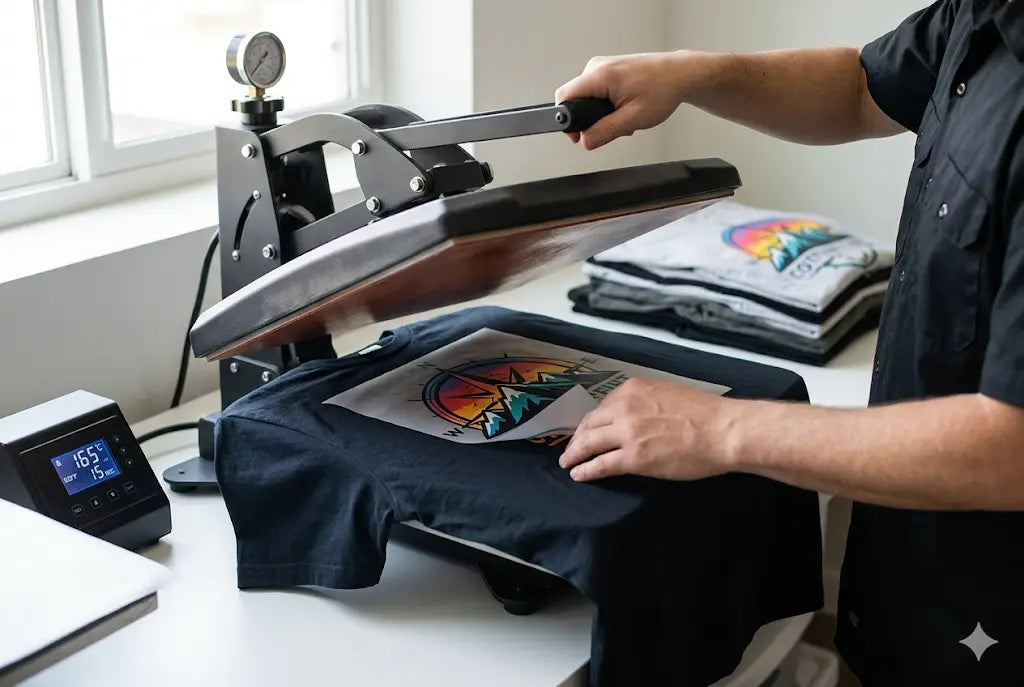
DTF printing has become one of the most powerful technologies in the custom apparel industry. The ability to create vibrant, durable designs on a wide range of fabrics has made dtf transfers incredibly popular among print shops, entrepreneurs, and clothing brands.
However, achieving perfect prints requires more than just a good design and quality materials. The real difference between an average print and a professional one often comes down to applying the best heat press settings for DTF transfers.
Incorrect temperature, pressure, or pressing time can result in peeling, faded prints, or weak adhesion. That’s why mastering the right pressing technique is essential for anyone working with dtf transfers.
Understanding Heat Press Settings for DTF
Before diving into exact numbers, it’s important to understand why heat press settings matter. The transfer process depends on heat activating adhesive powder so the design bonds firmly with the garment.
If the heat press settings for DTF are too low, the adhesive may not fully activate. If they’re too high, the design may lose vibrancy or become damaged.
Consistently using the right heat press settings for DTF helps maintain print quality and ensures the design lasts through repeated washing.
The Ideal Temperature and Time
When working with DTF printing, temperature and timing must work together. Most professionals follow recommended DTF heat press temperature time guidelines to achieve consistent results.
Generally, temperatures between 320°F and 338°F work best, with pressing times between 15 and 20 seconds. These DTF heat press temperature time ranges ensure the adhesive bonds properly without overheating the film or garment. Consistent timing also helps prevent inconsistent prints across production runs.
Following a Proper Heat Press Guide
Every professional printer eventually develops their own workflow, but beginners benefit greatly from a structured DTF transfers heat press guide.
A reliable DTF transfers heat press guide typically includes steps such as pre pressing garments to remove moisture, aligning the transfer correctly, applying heat and pressure, and performing a second press after peeling. These steps help ensure strong adhesion and professional quality prints.
The Importance of Pressure
Temperature alone isn’t enough to produce durable prints. Correct heat press pressure DTF transfers plays an equally important role.
Too little pressure prevents proper bonding between the adhesive and fabric. Too much pressure can cause ink distortion or damage the design. Balanced heat press pressure DTF transfers ensures the adhesive layer spreads evenly and bonds securely with the garment surface.
Understanding Transfer Pressure Settings
Many beginners struggle with identifying correct DTF transfer pressure settings. Pressure levels vary depending on fabric thickness, garment type, and heat press machine calibration.
Most printers use medium to firm pressure when pressing transfers. Proper DTF transfer pressure settings help avoid air pockets and ensure full design contact with the garment. Adjusting pressure gradually helps achieve the most reliable results.
How to Heat Press DTF Transfers Correctly
Learning how to heat press DTF transfers is one of the most important skills for garment decorators.
First, place the garment on the heat press and pre press it for a few seconds to remove moisture and wrinkles. Next, position the transfer carefully on the fabric. Following proper steps for how to heat press DTF transfers ensures accurate placement and consistent results.
Preventing Peeling Issues
One of the most frustrating problems printers encounter is peeling after pressing. Many DTF transfer peeling issues occur because of incorrect temperature or insufficient pressure.
Another common cause of DTF transfer peeling issues is removing the transfer film too early before the adhesive fully bonds. Following proper heat press guidelines dramatically reduces these problems.
The Ideal Settings for Consistent Prints
Different fabrics may require slight adjustments, but most professionals rely on ideal heat press settings for DTF for everyday printing.
The ideal heat press settings for DTF typically include moderate pressure, temperatures around 320–338°F, and pressing times between 15–20 seconds. Maintaining consistent settings across production ensures predictable results.
Understanding Heat Press Temperature Guidelines
Every printer should understand a reliable heat press temperature guide DTF when working with transfers.
A proper heat press temperature guide DTF explains how different fabrics react to heat and helps prevent overheating or under pressing. Following these guidelines improves both durability and visual print quality.
Managing Press Time for Best Results
Timing is the final critical factor in the transfer process. Using the correct heat press time for DTF transfers ensures the adhesive layer melts and bonds properly.
If the heat press time for DTF transfers is too short, adhesion may be weak. If it’s too long, the transfer may lose vibrancy. Maintaining consistent press time helps achieve professional results every time.
Conclusion
Mastering heat press technique is essential for producing durable, vibrant apparel prints. When printers follow the best heat press settings for DTF transfers, they significantly reduce errors and improve overall print quality.
By balancing temperature, pressure, and timing while following a proper heat press temperature guide DTF, you can achieve consistent results and avoid common printing problems.
If you’re looking for professional DTF supplies, equipment, and printing solutions, visit DTF Promo. With the right process and attention to detail, dtf transfers can deliver long lasting prints that customers love.
Frequently Asked Questions
1. What are the best heat press settings for DTF transfers?
The best heat press settings for DTF transfers usually include temperatures around 320–338°F, medium pressure, and pressing times between 15–20 seconds to ensure proper bonding and long lasting print durability.
2. Why is temperature important for DTF transfers?
Proper DTF heat press temperature time ensures adhesive powder activates correctly and bonds the design to fabric, preventing weak adhesion, fading, or peeling after washing.
3. What pressure should be used for DTF transfers?
Correct heat press pressure DTF transfers generally requires medium to firm pressure so the adhesive layer spreads evenly and bonds properly with the garment surface.
4. How long should DTF transfers be pressed?
Recommended heat press time for DTF transfers usually ranges between 15 and 20 seconds depending on fabric type and transfer film specifications.
5. Why do my DTF transfers peel after pressing?
Many DTF transfer peeling issues occur due to incorrect temperature, insufficient pressure, or removing the film too early before the adhesive fully bonds.
6. What is the ideal temperature guide for DTF printing?
A reliable heat press temperature guide DTF helps printers understand proper heat levels for different fabrics to prevent overheating and maintain print vibrancy.
7. How can beginners learn to heat press DTF transfers?
Learning how to heat press DTF transfers involves practicing proper garment placement, applying consistent heat and pressure, and following recommended pressing times.
8. What are ideal heat press settings for beginners?
Most beginners achieve success using ideal heat press settings for DTF such as moderate pressure, 320–338°F temperature, and pressing times around 15–20 seconds.
9. Can incorrect pressure damage DTF prints?
Yes, incorrect DTF transfer pressure settings can cause uneven adhesion, ink distortion, or incomplete bonding, which affects print durability.
10. Why should printers follow a heat press guide?
A structured DTF transfers heat press guide helps maintain consistent production quality and ensures transfers bond properly across different garment types.